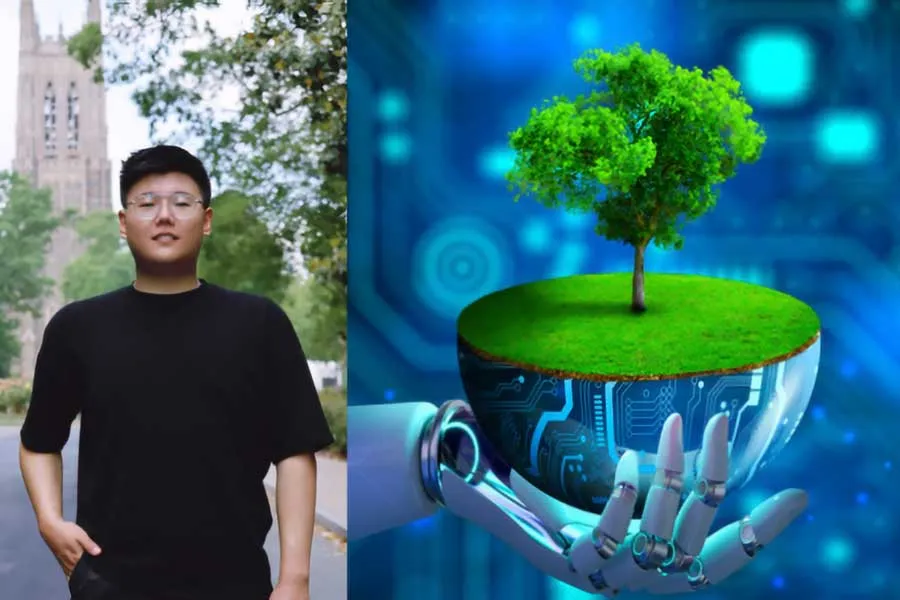
As climate change accelerates and extreme weather events grow more unpredictable, scientists are turning to artificial intelligence to make sense of Earth’s complex and shifting systems.
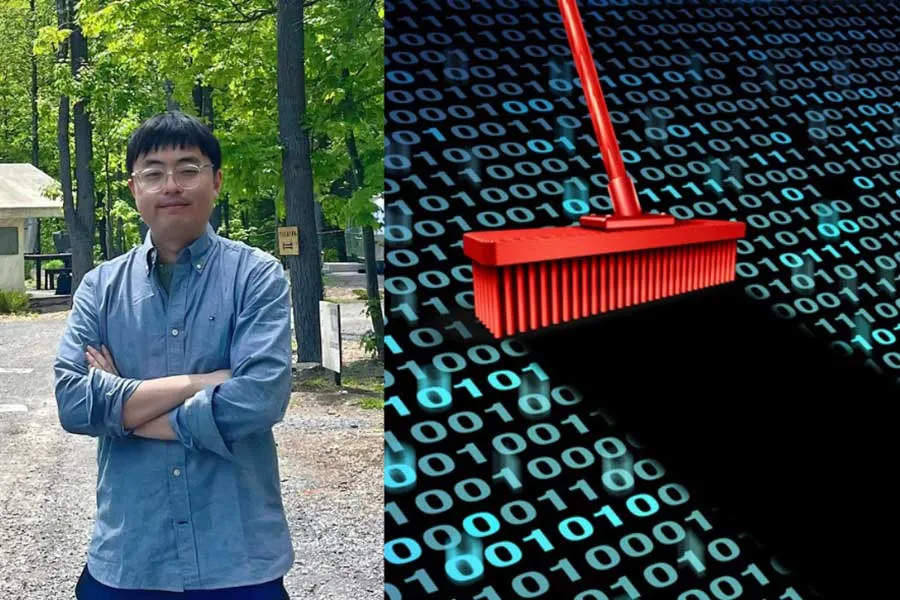
As data grows in volume and complexity, so does the challenge of making sense of it. Uncovering the hidden structures within high-dimensional datasets is essential for drawing meaningful conclusions.
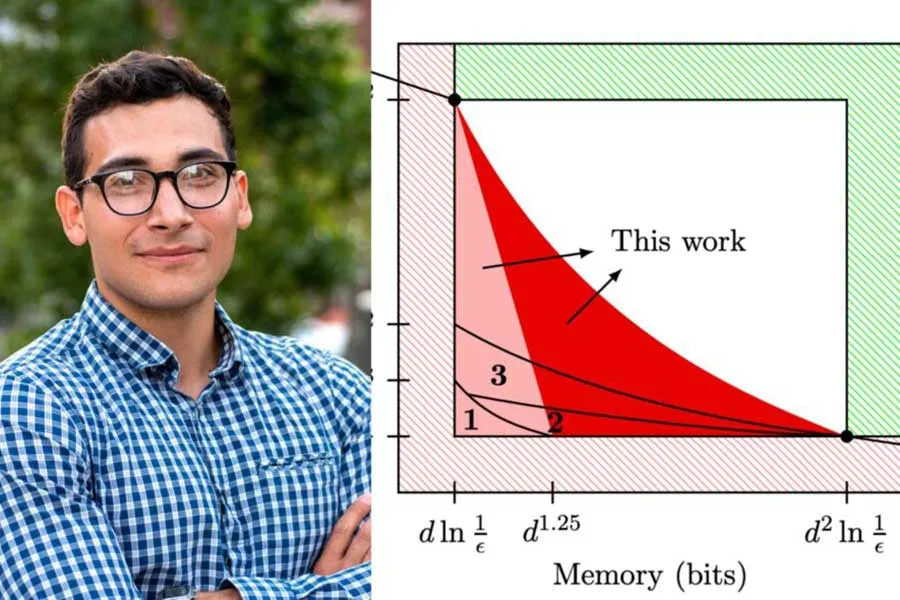
In an era where machine learning drives everything from recommendation engines to scientific discovery, a deeper question shapes the field from behind the scenes: When is learning even possible?

As AI changes how people access, do their jobs, and interact with government systems, what will be the political consequences, and how can it be governed in a way that preserves public trust and democratic accountability?
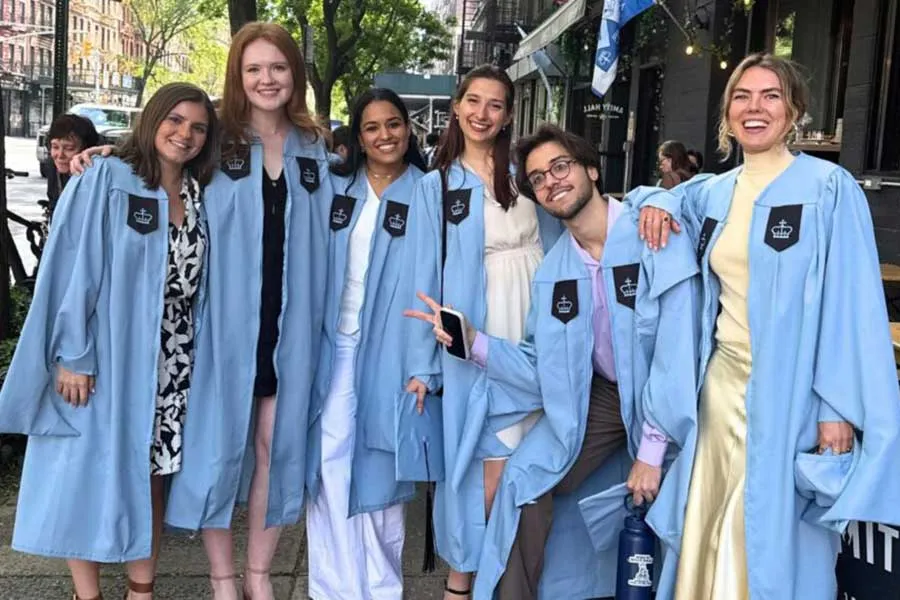
The 190 students graduating this week from Columbia’s Data Science Institute aren’t heading into a single field — they’re stepping into roles that span tech, research, health, government, and more.
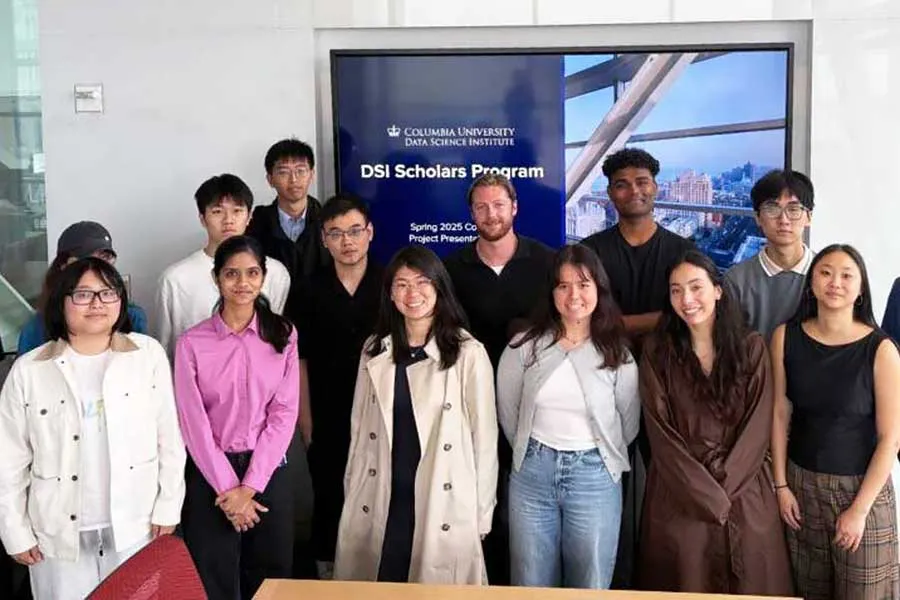
The DSI Scholars Program pairs Columbia students with faculty-led research projects across the university.
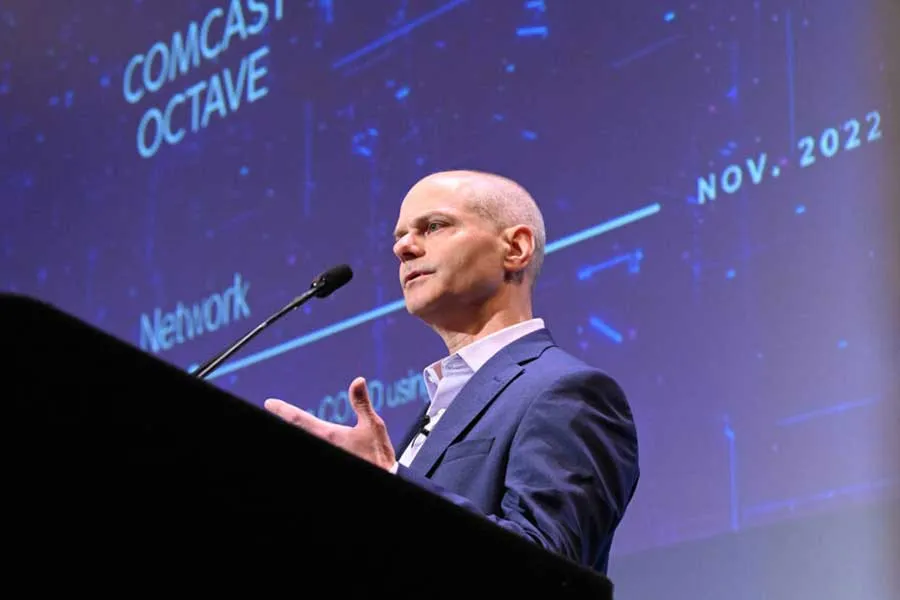
In his keynote address at Data Science Day 2025, hosted by the Columbia University Data Science Institute, Rick Rioboli offered a candid look at the realities of deploying AI at scale inside a large, operationally complex company.