
Each spring and fall, the DSI Scholars program connects Columbia University students with select faculty-led projects that are seeking to apply data science methods to novel research problems.
Alongside financial compensation for their contributions to their project, DSI Scholars benefit from faculty mentorship, publication and presentation opportunities and unique enrichment experiences throughout their semester with the program.
In addition to funding, administrative, and research support for their projects, faculty mentors also benefit from increased visibility for their work through DSI’s web and social media coverage.
Program Overview
Faculty applications are accepted in April and September of each year, and are selected for funding and support following careful review by DSI leadership. Shortly thereafter, project summaries are posted to the DSI website, where students may apply to no more than two (2) projects each cycle. DSI staff provide robust coordination and support throughout the application review and interviewing process. All DSI Scholars are hired and managed by DSI, which also arranges for unique enrichment and support opportunities throughout the semester.
Jump to student information, faculty information or view recent projects.
Program Timeline: Spring 2027 Application Schedule
FOR STUDENTS
The DSI Scholars program matches talented students with Columbia faculty who are working on innovative research projects and need data-related research support. Students selected for this program receive financial compensation, faculty mentorship, publication and/or presentation opportunities and access to exclusive enrichment opportunities. DSI Scholars projects draw from a wide range of disciplines including finance, business, healthcare, climate science, cybersecurity, and more. Apply to become a DSI Scholar to gain new skills, receive one on one mentorship, and uncover new possibilities of applying data science to diverse domains.
- Review the selected projects for the upcoming term; you may apply to at most two (2) projects each semester. DSI will contact you within 1 month of the final application deadline if you have been selected for an interview
- DSI staff will work with you to coordinate the interview process with the Faculty Mentor(s) who have requested to interview you.
- DSI staff will notify you within 3 weeks of your interview date if you have been selected as a Scholar for the upcoming semester. You will have one (1) week to confirm your participation.
- As a DSI Scholar, you will spend approximately 10 hours per week contributing to your selected project, for which you will be compensated at a competitive hourly rate. You will also participate in 2-4 special lectures, site visits and/or speaker events during the semester, and present on your work at a final breakfast event at the end of the term. Once you have completed the program, you will be invited to join our LinkedIn DSI Scholars Alumni group, making you part of this select network of recent and established graduates of the program.
For additional details about the expectations and requirements for DSI Scholars, please see the Student Application or reach out to us via email.
I am interested in more than one DSI Scholars project. Can I apply for multiple projects?
Yes, you may apply to up to two (2) projects each semester. If you are invited to interview for multiple projects, you will be asked to rank your preference after the interview process.You can only be accepted for and assigned to one DSI Scholars project at a time.
Can I submit my application directly to the project PI?
No. Applications that are submitted outside of the DSI Scholars program portal will not be considered eligible for selection or funding. Please do not contact the project PIs directly to submit an application.
I have previously participated in or am currently a DSI Scholar for a previous cohort. Am I still eligible to apply?
Please note that past DSI Scholars participants are eligible to reapply, but priority will be given to new participants. Previous DSI Scholars are encouraged to apply for research opportunities through the Campus Connections program.
I will be graduating this semester. Am I eligible for a project that starts after I graduate?
No, only individuals who are at least half-time students at the time that the research will be conducted are eligible for the DSI Scholars program.
What is the compensation amount and process?
DSI Scholars are hired as hourly researchers by the Data Science Institute. Selected Scholars must complete all onboarding paperwork (including obtaining an SSN if they do not already have one), and submit weekly timesheets. Payment is made twice per month, preferably via direct deposit, up to a per-project maximum of 140 hours. Students may not hold another appointment within the university during their semester as a DSI Scholar.
Who is eligible to become a DSI Scholar?
All Columbia University and Barnard students that are at least half-time are eligible to be DSI Scholars, regardless of degree program.
When will I hear back from DSI Scholars about my application?
Students who have been selected for interviews will be notified within one (1) month of the application closing date.
How will interviews be conducted?
Interviews are arranged by DSI staff but conducted directly by DSI Scholars Faculty Mentors. Interviews may be held online or in-person according to the Faculty Mentor’s availability and preference.
When will I know if I am selected?
DSI staff will notify you within three (3) weeks of your interview date if you have been selected as a Scholar for the upcoming semester.
If I am not selected as a DSI Scholar, are there still ways to participate in data science research?
Absolutely! We encourage students to review the wide range of data science research opportunities available throughout the year via the Campus Connections program. DSI Campus Connections is continuously open and hosts research opportunities from Columbia faculty looking for immediate support from data science students, posted as they become available. Some projects may be compensated while others may be completed for academic credit. Campus Connections projects are open to qualified Columbia University students, regardless of degree program.
FOR FACULTY
The DSI Scholars program connects selected Faculty Mentors with talented students whose data science skills and expertise can further your research and increase the visibility of your work. We especially encourage new faculty and researchers in disciplines where data science integration is an emerging practice to apply. We encourage you to review the Scholars’ Faculty Application or join an office hours session if you have questions about the process not addressed in the FAQs below.
Please note that the DSI Scholars funding and hiring processes have been revised for Fall 2026. We encourage faculty who have participated before to carefully review the updated information below, and reach out with any questions.
Process Overview
- Prepare and submit your application. Each term, DSI will fund up to 7 projects. DSI will notify you within 1 month if your project has been selected.
- DSI staff will curate and share the application materials of up to 10 students who are a good match for your project’s needs. Our staff will also coordinate the interview process for up to 5 student applicants of your choosing from the applicant pool.
- Benefit from the unique skills and insights of your DSI Scholar. While DSI handles the Scholar’s compensation and enrichment opportunities, you are free to focus on providing mentorship, publication and presentation opportunities, as well as enhanced research!
For additional details about the expectations and requirements for DSI Scholars Projects and Faculty Mentors, please see the Faculty Application, join an office hours session, or reach out to us via email.
How do I participate in this program?
Complete the Faculty Application before the specified deadline. Note that projects are selected one semester before a Scholar will join your project, so if you are looking for support in the fall, you will need to apply the previous spring. While late applications are not accepted, if you miss the deadline for a given semester you are welcome to submit your project for consideration the next term.
What happens once my proposal is selected for the program? How do I select a student?
DSI staff carefully review the applications of students who indicated interest in your project, and provide you with a ranked list of applicants whose skills and interest align best with your project based on your provided description and needs. Program staff then manage the logistics for you to interview up to five (5) candidates, from which you will select your Scholar.
What happens if my project needs to extend beyond one semester?
DSI Scholars funding and administrative support is available only for the specified term. However, you are welcome to continue to work with your Scholar by hiring them as an RA, TA or student researcher through your department after the program concludes.
My project wasn’t selected for the program. Can DSI still help me find a student?
Yes! We encourage faculty and researchers with funding to hire student researchers to list their project on Campus Connections, where their opportunity where they can reach hundreds of interested students at any point in the year.
What is the difference between the DSI Scholars Program and DSI Campus Connections?
DSI Scholars projects are reviewed and selected by DSI leadership twice per year, and are provided funding, robust administrative support, and increased visibility by DSI.
Campus Connections is a platform where faculty can list their available research opportunities to all Columbia University students. Projects may be listed at any time, and the compensation, interviewing and hiring processes are managed directly by the faculty member.
Can I use my own funding to hire a DSI Scholar?
Please note new updates for Fall 2026. All DSI Scholars are hired and have their commitment managed directly by DSI. While we welcome faculty applicants with available funding, please note that only DSI Core Members may use grant funding to support DSI Scholars. For all other faculty, we welcome the support of DSI Scholars via unrestricted funds, which must be transferred to DSI for disbursement to be considered for the DSI Scholars program. Unfortunately, we cannot include grants or other funding that must be administered by the faculty member’s home department, apart from the DSI Members exception noted above.
Recent Projects
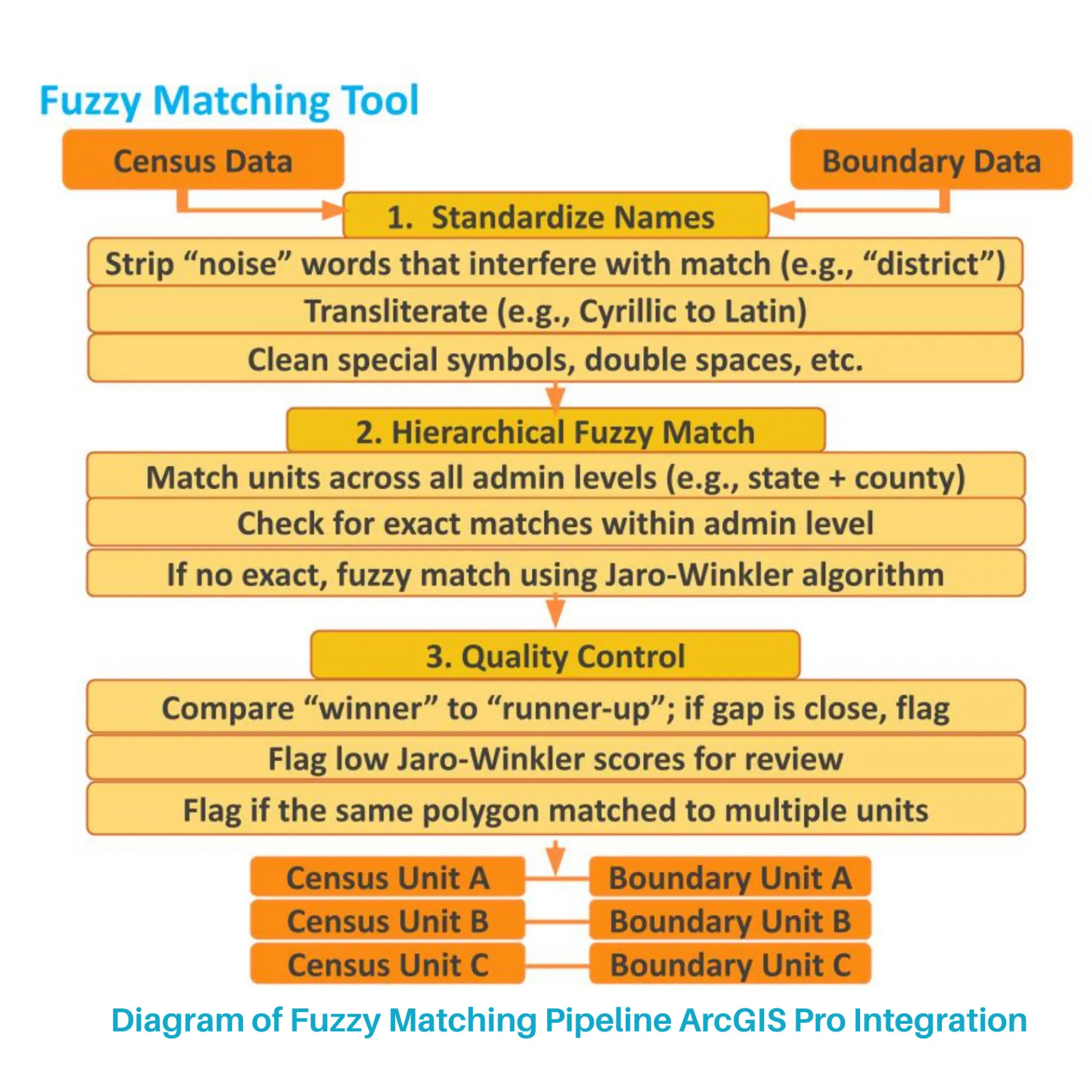
Principal Investigators: Greg Yetman, Linda Pistolesi
DSI Scholar: Dorothy Janick
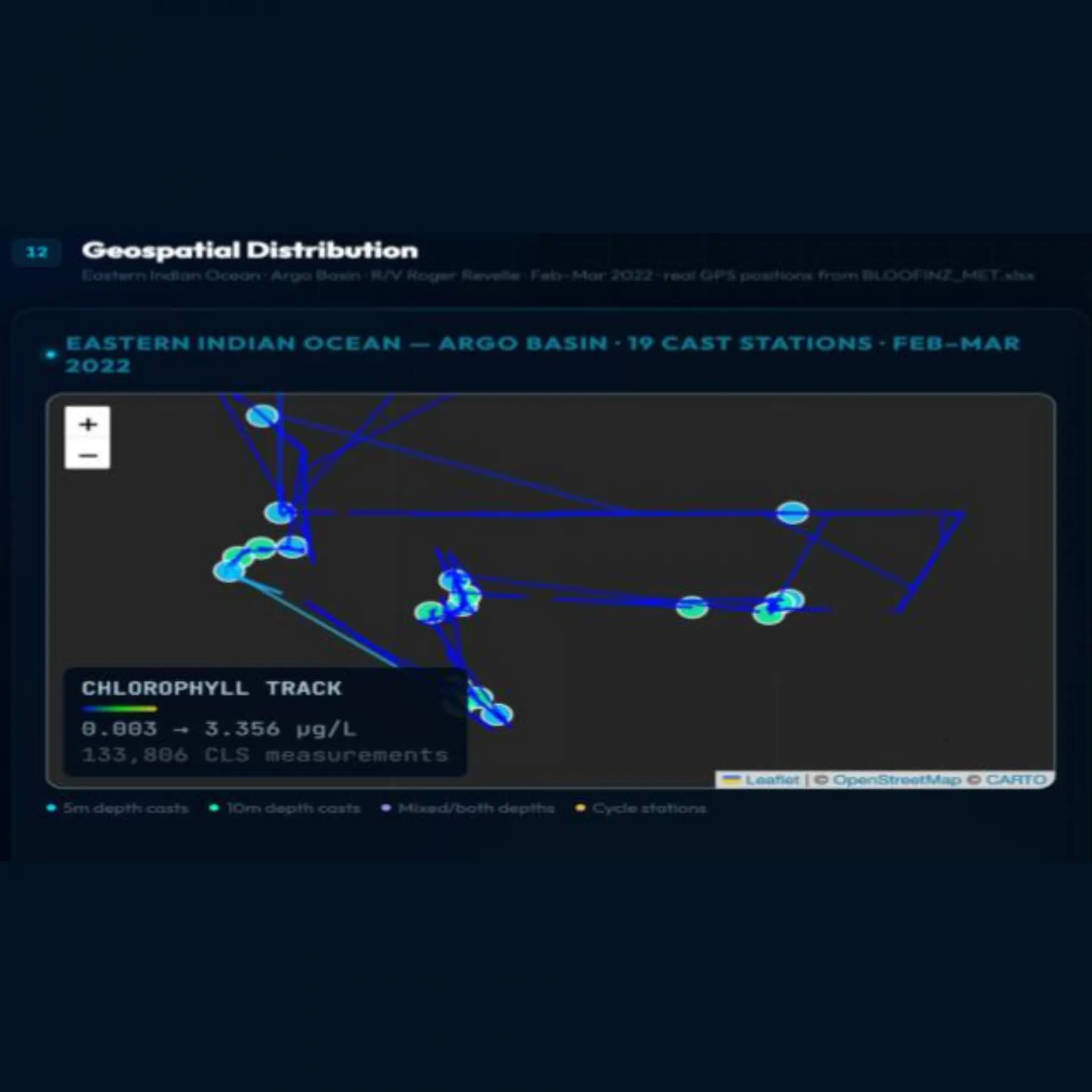
Principal Investigators: Joaquim Goes, Helga Gomes
DSI Scholars: Adityaram Komaraneni,Yeshitha Bhuvanesh
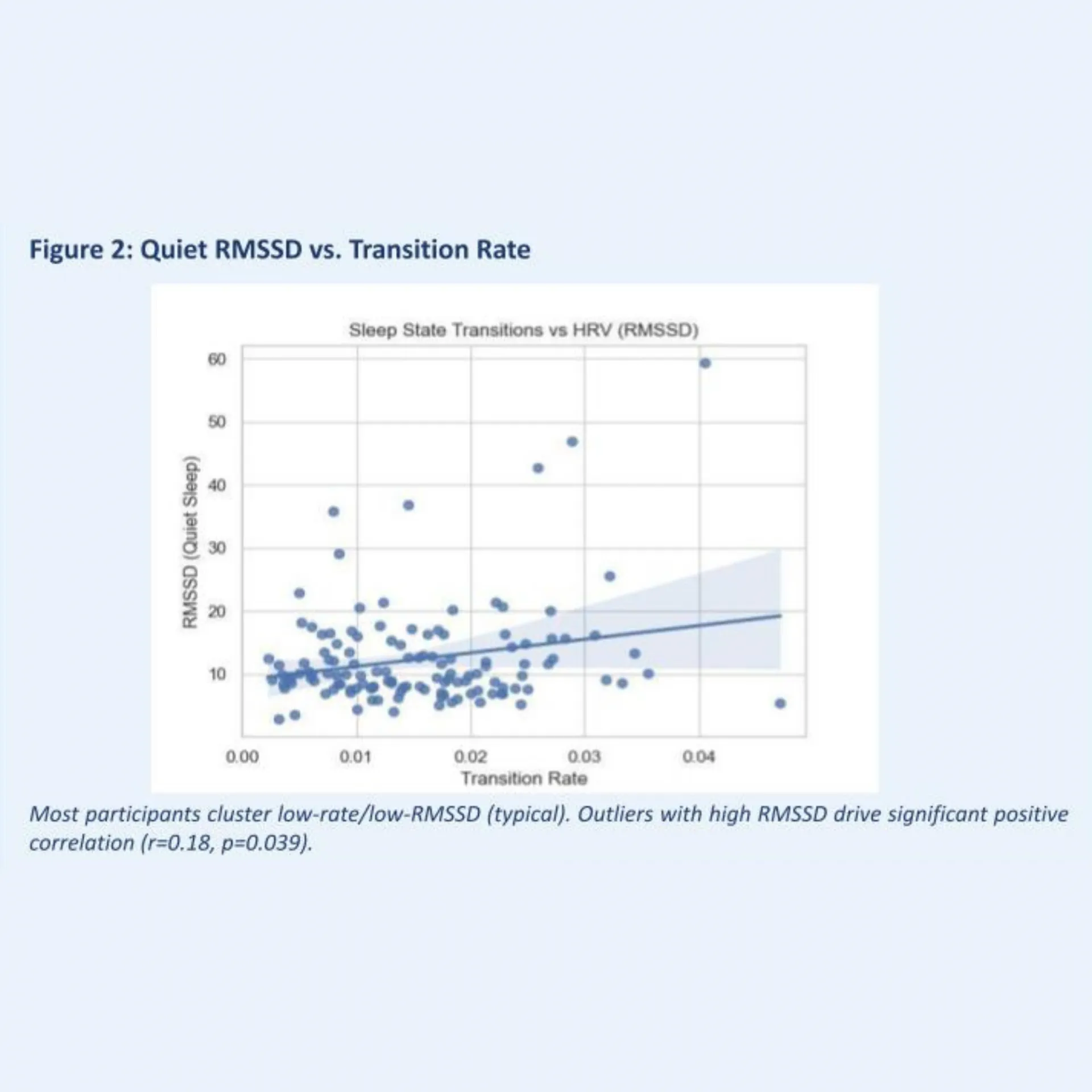
Principal Investigator: Isabelle Mueller
DSI Scholar: Akanksha Dhar
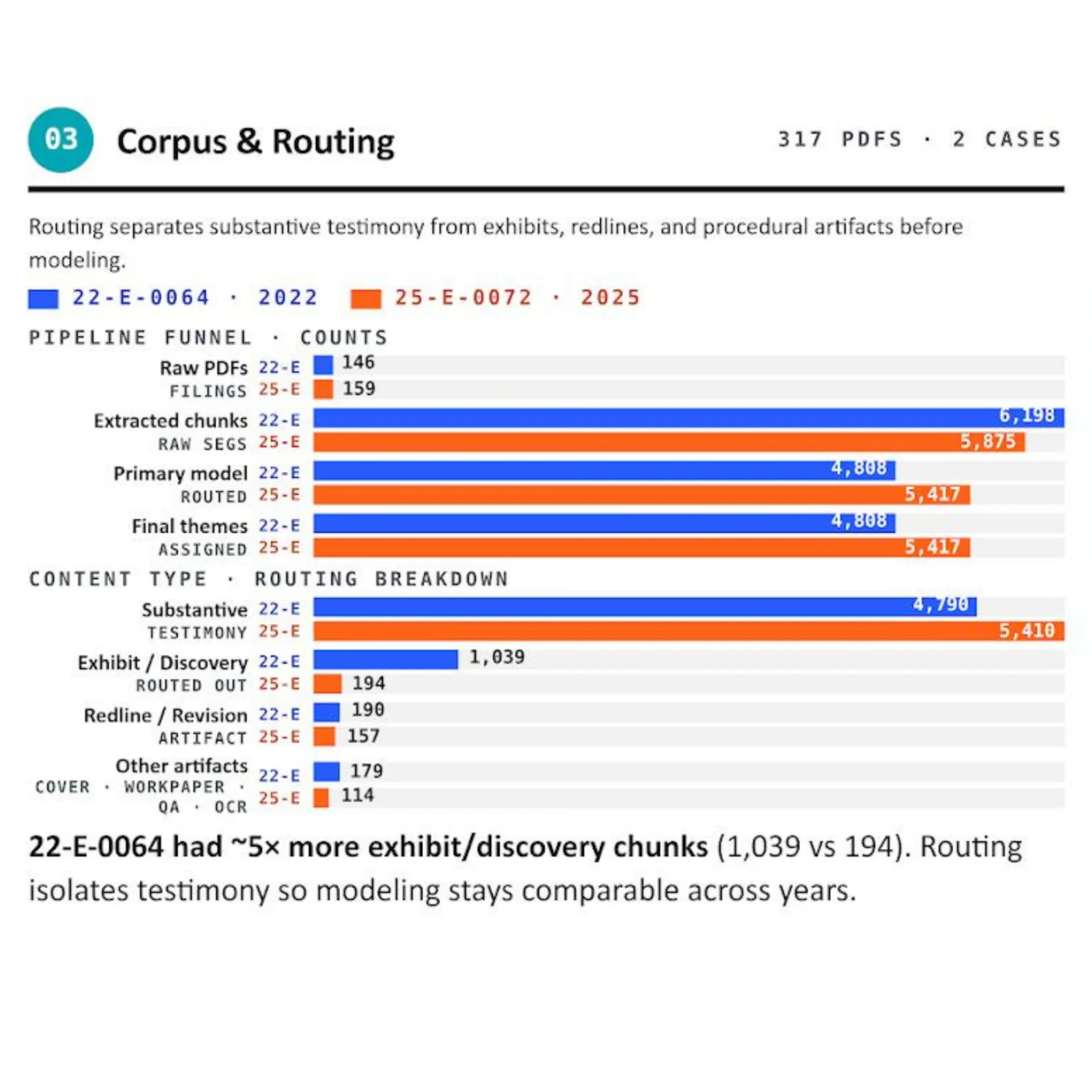
Principal Investigator: Diana Hernandez
DSI Scholar: Ayaz Khan
PROJECT INDEX
Spring 2027
School: School of Social Work
Department: Columbia Population Research Center (CPRC)
Project Overview:
Survey researchers increasingly supplement costly probability samples with non-probability sample, which are faster and cheaper to collect but carry unknown selection bias. This project uses a child care dataset of approximately 1,400 children under age 5 that contains both a probability and non-probability sample. Because both samples measure the same population and outcomes, the dataset offers an opportunity to evaluate how the two sources differ and how they might be combined.
The project has two aims. First, we will compare the quality of the two samples. We will examine how each sample’s distributions of child, family, and household characteristics (e.g., child age, race/ethnicity, household income, parental employment) compare with external benchmarks such as American Community Survey. We will also compare key child care outcomes, including care arrangements, hours in care, and costs, across the two samples. Quality will be assessed through representativeness indicators, estimated bias relative to benchmarks, item nonresponse, and the variability of resulting weights.
Second, we will develop and evaluate strategies for integrating the two samples for weighting. Candidate approaches include quasi-randomization methods that estimate pseudo-inclusion probabilities for non-probability cases using the probability sample as a reference, calibration and raking to population controls, and composite estimates that combine estimates from both samples. We will compare methods on bias reduction, variance, design effects, and the robustness of key estimates across subgroups.
Expected products include a sample quality assessment, a recommended weighting approach for the combined sample, and documentation of the tradeoffs between methods. Findings will guide analysis of this dataset and inform future data collection designs that blend probability and non-probability sources in child care and early childhood research.
Scholar Responsibilities:
The DSI Scholar will work under the supervision of the project lead. There will be ongoing weekly meetings with the mentor to report progress and discuss next steps. In addition to the meetings, there will be the following tasks during the semester.
Phase 1: Orientation and Data Preparation
- Review literature on probability/non-probability sample comparison and data integration methods, and prepare a short annotated bibliography.
- Become familiar with the dataset, codebook, and sample design documentation.
- Assemble external benchmark data (e.g., American Community Survey) for comparable variables.
Phase 2: Sample Quality Comparison
- Compare two samples’ demographic distributions and key child care outcomes.
- Compare each sample to external benchmarks and estimate bias.
- Calculate quality indicators, including representativeness indicators, item nonresponse rates, and weight variability.
- Summarize findings in tables and figures for team review.
Phase 3: Weighting and Integrating Analysis
- Implement candidate integration approaches, including pseudo-inclusion probability estimation for the non-probability sample, calibration/raking to population totals, and composite estimation.
- Evaluate each method on bias, variance, design effects, and stability of subgroup estimates.
- Document code and analytic decisions to ensure reproducibility.
Phase 4: Synthesis and Dissemination
- Draft sections of a technical report describing methods and results.
- Prepare memo summarizing key findings and the recommended weighting approach.
- Organize final analysis files and code for the project archive.
Expected Deliverables:
- Model
- Report/paper
Candidate Requirements
Required Skills:
- Proficient in R or Stata is required.
- Knowledge of statistical tests for group differences, such as chi-square tests, t-tests, ANOVA, nonparametric tests (e.g., Mann-Whitney/Wilcoxon, Kolmogorov-Smirnov), and effect size measures such as standardized mean differences, to compare demographic distributions across samples and against benchmarks, is required.
- Familiarity with logistic regression modeling or propensity score methods is required.
- Experience working with public-use benchmark data such as American Community Survey is preferred.
- Coursework or experience in survey weighting, such as raking, calibration, or nonresponse adjustment is preferred.
Student Eligibility: Master's, Senior
School: Columbia Climate School/Lamont-Doherty Earth Observatory
Department: Ocean and Climate Physics Division
Project Overview:
When a record heat wave hits the Pacific Northwest, or an unusually cold winter grips the eastern United States, the first question everyone asks is why. Was it climate change? Unusual ocean temperatures? Vanishing Arctic sea ice? Just bad luck? These questions matter — they shape how we prepare for the next event — but they are remarkably hard to answer rigorously. The climate system has no control group. We observe one Earth, one history, and every potential cause is tangled up with every other.
Machine learning offers a promising way forward, and is increasingly used to extract these relationships from climate data. But it raises a question the field has not resolved yet: is the statistical relationship that ML uncovers truly physical and causal, or just a correlation? If it is causal, ML would open the door to a wide range of possibilities in climate science and attribution studies — letting us identify the drivers of extreme events far faster and more cheaply than running controlled simulations allows.
This project exploits an unusual asset: a large archive of factorial climate model experiments, in which one potential driver is varied at a time while all others are held fixed. Because each driver is manipulated in isolation, its true causal effect is known by construction — the climate equivalent of a controlled experiment. The Scholar will train a range of machine learning models — from regularized regression to more flexible nonlinear methods — on simulations where all drivers vary together, as they do in the real world, then test the learned relationships against the factorial experiments where the answer is known, and assess how robust the recovered relationships are across different ML approaches. Results will contribute to a peer-reviewed publication on which the Scholar will be included.
Scholar Responsibilities:
- Data processing. Access a large archive of climate model simulations and build a reproducible pipeline to preprocess the output across multiple experiment sets. This involves working with multidimensional gridded data (netCDF format, via xarray), handling ensemble members, and documenting the workflow in a version-controlled GitHub repository.
- Statistical signal assessment. Quantify how much of the target signal is detectable above the background noise of internal climate variability. This determines which variables and regions can support the main analysis and serves as an early checkpoint for the project's direction.
- ML Model development. Implement and tune machine learning models relating the climate drivers to the target field, beginning with regularized regression and extending to one or two more flexible methods. This requires designing a cross-validation scheme that avoids leakage across correlated ensemble members and time, and examining sensitivity to regularization and dimensionality-reduction choices in a setting where predictors substantially outnumber observations.
- Validation and interpretation. Apply the learned relationships to held-out factorial experiments in which the true causal effect is known by construction, quantify the agreement, characterize any systematic bias, and assess how robust the result is across ML methods.
- Documentation and communication. Maintain clean, well-commented, reproducible code throughout; produce publication-quality figures; participate in regular meetings with the research group to present progress and receive feedback; and present final results at the DSI Scholars end-of-term event.
- The Scholar will be included as a co-author on any publication resulting from this work, and will be supported in presenting the results at a scientific conference if they wish.
Expected Deliverables:
- Model
- Report/paper
Candidate Requirements
Required Skills:
Required:
- Fluency in Python, including NumPy, pandas, and matplotlib; comfort working in Jupyter Notebooks
- Experience with machine learning methods and the scikit-learn ecosystem, including regularized regression and at least one more flexible approach (e.g., tree-based methods, neural networks)
- Sound understanding of cross-validation, regularization, and overfitting, particularly in high-dimensional settings where predictors outnumber observations
- Experience with Git/GitHub and a commitment to reproducible, well-documented code
- Ability to work independently on a multi-week analysis while communicating progress clearly in a collaborative research setting
Preferred but not required:
- Experience with multidimensional array data, especially xarray or netCDF files
- Familiarity with causal inference concepts, or interest in the distinction between predictive skill and causal interpretation
- Experience with time series data or spatially correlated data
- Coursework or self-study in statistics beyond standard ML (e.g., variance decomposition, resampling methods)
Student Eligibility: Master's, Senior
School: Vagelos College of Physicians and Surgeons
Department: Radiation Oncology
Project Overview:
Radiotherapy is a cornerstone of cancer treatment and is delivered to more than half of cancer patients in the US. In the current clinical practice, radiotherapy plans are based on a simulation CT acquired before treatment, but patient anatomy can change during a treatment course, potentially compromising its effectiveness. Online adaptive radiotherapy (oART) addresses this limitation by allowing clinicians to modify the treatment plan in response to the daily anatomical changes using cone-beam CT (CBCT). Contouring tumors and organs at risks (OARs) is time-consuming, and limited image quality can make automatic segmentation unreliable.
Anatomy validation by a physician at an earlier fraction may provide a useful patient-specific prior for subsequent fractions. However, its usefulness may decrease as anatomy changes. This project will ask: When is physician-validated anatomy from a previous adaptive fraction sufficiently similar to current anatomy to serve as a useful patient-specific prior?
Using curated data from approximately 100 pancreatic cancer patients treatment on our Varian Ethos system, the DSI Scholar will pursue two aims: 1) develop a geometric measure of cross-fraction anatomical transferability by comparing prior validated anatomy, mapped to the current fraction using a prespecified workflow, with the physician-approved anatomy at that fraction; and 2) determine whether the measure identifies difficult oART fractions, using an independent indicator of difficulty selected with the clinical team.
The scholar will develop reusable analytical tools connected to our research database, and a lightweight dashboard to query and visualize results. This study will establish preliminary evidence about when prior anatomy may be useful, informing future development of patient-specific AI models and larger studies of their potential to support oART."
Scholar Responsibilities:
- Define the analysis with the research team.
- Develop the geometric transferability analysis and evaluate whether transferability identifies difficult fractions.
- Connect the analysis to the research data platform and create a lightweight research dashboard.
- Document and communicate the work. Maintain clear analysis documentation and contribute to a final presentation and report or manuscript draft.
Expected Deliverables:
- App or tool
- Dashboard or visualization
- Report/paper
- User interface
Candidate Requirements
Required Skills:
- Proficient in Python for data analysis, including experience with NymPy and pandas
- Familiar with statistic analysis and data visualization
- Experience with SQL and relational databases such as PostgreSQL.
- Experience developing simple dashboards or web interfaces.
- Ability to write clear, reproducible code and document analysis workflows.
- (Preferred) Familiar with medical image registration, segmentation, or geometric comparison measures, experience with libraries such as SimpleITK.
Student Eligibility: Master's, Senior
School: Vagelos College of Physicians and Surgeons
Department: Psychiatry
Project Overview:
As we age, our brains undergo natural changes, but why some individuals develop Alzheimer's disease while others remain cognitively healthy is not fully understood. Distinguishing normal brain aging from the earliest signs of dementia is essential for improving early detection, prevention, and treatment.
The Brainome-Atlas project aims to develop a comprehensive map of brain aging and Alzheimer's disease using routine magnetic resonance imaging (MRI). By applying advanced artificial intelligence (AI) models to standard, non-contrast MRI scans, we can estimate multiple indicators of brain health, including brain structure, blood volume, and patterns associated with amyloid and tau proteins—two key hallmarks of Alzheimer's disease. These measurements typically require specialized imaging procedures, but our approach seeks to make them accessible through widely available MRI scans.
Combining these indicators, we developed a novel measure called the Dementia Deviation Vector (DDV), which separates disease-related brain changes from those expected during healthy aging. In our initial studies, this approach distinguished cognitively healthy individuals from patients with Alzheimer's disease with approximately 93% accuracy as measured by the area under the receiver operating characteristic curve (AUC = 0.934). Individuals with mild cognitive impairment showed intermediate patterns, suggesting that DDV may capture progressive changes along the path toward dementia.
Next, we will analyze large-scale longitudinal brain imaging datasets and integrate blood-based molecular measurements to better understand when and why healthy aging transitions toward dementia.
Ultimately, Brainome-Atlas seeks to transform routine MRI into an accessible, noninvasive tool for identifying dementia-related brain changes, tracking disease progression, and guiding future approaches to prevention and personalized care.
Scholar Responsibilities
The DSI Scholar will contribute to the development and validation of Brainome-Atlas, an AI-driven framework designed to distinguish healthy brain aging from Alzheimer's disease using routine MRI. The scholar will work closely with our interdisciplinary team at Columbia University, gaining hands-on experience in neuroimaging, machine learning, and computational neuroscience.
Specific responsibilities during the semester will include:
- Neuroimaging Data Preparation and Quality Control: Organize and preprocess T1-weighted brain MRI datasets from publicly available aging and Alzheimer's disease cohorts, including ADNI and UK Biobank where access is approved. Perform image registration, quality control, and regional feature extraction using established neuroimaging pipelines.
- AI-Derived Brain Biomarker Analysis: Apply our existing deep learning models to generate MRI-derived cerebral blood volume (CBV), amyloid, and tau maps. Extract regional biomarkers and examine their associations with age, sex, and cognitive status.
- Healthy Aging and Dementia Modeling: Assist in developing and evaluating the Dementia Deviation Vector (DDV), which separates normal age-related brain changes from Alzheimer's disease-related abnormalities. Implement statistical analyses, machine learning models, and cross-validation procedures.
- Longitudinal and Multimodal Data Integration: Support exploratory analyses of longitudinal MRI and available plasma proteomics data to investigate relationships between brain aging, dementia-related changes, and molecular biomarkers.
- Scientific Visualization and Reporting: Generate publication-quality figures, summarize model performance, maintain reproducible analysis code, and contribute to research presentations and manuscript preparation.
Expected Semester Deliverables: The scholar will produce a quality-controlled imaging analysis dataset, reproducible Python scripts, a preliminary report on aging- and dementia-related imaging biomarkers, and a final presentation summarizing findings and potential future directions.
The scholar will participate in regular research meetings, receive mentorship in AI and neuroimaging methodology, and contribute to a collaborative research environment focused on developing accessible tools for early dementia detection.
Expected Deliverables:
- Model
- App or tool
- Dashboard or visualization
- Report/paper
- User interface
Candidate Requirements
Required Skills:
We seek a motivated undergraduate or master's student with a background in computer science, biomedical engineering, data science, neuroscience, or a related quantitative field.
Required Qualifications:
- Proficiency in Python programming, including experience with NumPy, Pandas, and Matplotlib; PyTorch or TensorFlow for deep learning model inference.
- Foundational knowledge of machine learning, statistical analysis, and data visualization.
- Experience organizing, processing, and analyzing scientific datasets.
- Familiarity with basic statistical concepts, including regression, correlation, and model evaluation.
- Strong analytical, problem-solving, and communication skills.
- Ability to work independently, maintain well-documented code, and participate in weekly research meetings.
Preferred Qualifications (Not Required):
- Familiarity with medical imaging, particularly structural brain MRI.
- Exposure to neuroimaging tools such as FreeSurfer, ANTs, FSL, or NiBabel.
- Experience with dimensionality reduction (PCA), classification, cross-validation, or longitudinal data analysis.
- Interest in brain aging, Alzheimer's disease, computational neuroscience, or AI applications in healthcare.
- Familiarity with Git, Linux, or high-performance computing environments.
Prior experience in neuroimaging or Alzheimer's disease research is not required. The scholar will receive training in our existing MRI preprocessing pipelines, pretrained AI models, and Brainome-Atlas analytical framework. We particularly value curiosity, attention to detail, strong programming fundamentals, and enthusiasm for interdisciplinary biomedical research.
Student Eligibility: Master’s, Senior, Junior
School: School of Engineering and Applied Science
Department: Electrical Engineering
Project Overview:
Ultra-high-dose-rate (UHDR) FLASH radiotherapy delivers therapeutic radiation in intense, short pulses. Because of the high dose and short time period current real-time dosimetry hardware either is damaged or saturated by this exposure. We have been developing new sensors based on wide-bandgap semiconductors that are capable of surviving this exposure and providing a linear output.
Because of the virtually infinite design space for new materials and heterostructures, modeling is essential for narrowing the candidates for experimental validation in this area. While density functional theory (DFT) is useful, this can be challenging to organize and run in the required number of combinations. Fortunately, there are several databases (e.g. NIST-JARVIS) that have pre-calculated material properties that can be used together with custom models to predict many of the devices that can be considered.
This project will use the results from these pre-calculated databases together with new device and material modeling to design high performance detectors suitable for FLASH therapies. The longer-term goal will be to test the candidates either on campus or via national programs such as the Molecular Foundry in a high flux radiation environment.
Scholar Responsibilities:
- Perform a preliminary survey and analysis
- Establish a data pipeline
- Collect parameters from existing databases for a series (~20) of candidate structures
- Apply these parameters to a device model and score the results
- Communicate results through a report and figures/paper/presentations
Expected Deliverables
- Model
- Report/paper
Candidate Requirements
Required Skills: Previous experience in density functional theory, semiconductor interfaces, radiation dosimetry, or materials science is not required. Python programming and ability to interface with online databases is required. Interest in material science is desirable.
Student Eligibility: Master’s, Senior, Junior, Sophomore, Freshman
School: Vagelos College of Physicians and Surgeons
Department: Neurology
Project Overview:
Alzheimer's disease is frequently diagnosed years after its first symptoms appear. Many people with mild cognitive impairment (MCI), a stage at which new treatments might benefit most, are might never be evaluated, because diagnosis depends on a clinician suspicion of the disease. Accurate blood tests for Alzheimer's disease now exist, but they are ordered only for patients already under suspicion--not as a screen.
Meanwhile, there are brain MRI scans acquired for reasons unrelated to memory, such as headaches, dizziness, or a suspected minor stroke, often read as normal. These scans are read for the question that prompted them and then archived, although they contain information about brain structure that can reflect early neurodegeneration. At Columbia University Irving Medical Center, tens of thousands of such scans exist.
This project asks whether artificial intelligence can review these existing scans and identify people who may benefit from an Alzheimer's blood test but would otherwise never be offered one. We plan to apply machine learning models developed and/or implemented in our lab, which estimate the likelihood of early Alzheimer's-related brain changes, to clinical MRI collected across the medical center. Because hospital scans vary widely in acquisition and protocols, a central goal is to measure how well these models perform on real-world images and to adapt them appropriately. We will then compare model predictions with existing spinal fluid and molecular imaging biomarker results to determine model concordance with biomarkers.
The long-term goal is a tool that can be run in the background of a hospital imaging system and ""triages"" follow-up testing for the small number of patients most likely to benefit, otherwise not seen for neurodegenerative concerns, using scans already acquired and requiring no additional imaging. This work could bring early Alzheimer's diagnosis to people for whom it would be otherwise missed.
Scholar Responsibilities:
"The DSI Scholar will join the computational team working on the clinical MRI analysis:
- Run and monitor quality-control steps on de-identified clinical MRI, and catalog (in addition to QC).
- Run established brain segmentation tools on clinical scans, organize the outputs, and summarize the cohort by age, sex, scan indication, and scanner.
- Apply existing lab models to clinical scans and measure performance against biomarker results, including discrimination, calibration, and performance across demographic and scanner subgroups.
- Work with GUI development, data presentation, manuscript preparation as needed.
- The Scholar will work only with de-identified data, write documented, version-controlled code, and meet weekly with the faculty mentor.
Expected Deliverables:
- Model
- App or tool
Candidate Requirements
Required Skills: Python, basic data science principles, basic neuroscience
Student Eligibility: Master’s,, Senior, Junior
School: Columbia Climate School
Department: The Center for Integrated Earth System Information (CIESIN)
Project Overview:
New York City’s drinking-water quality depends in part on managing nutrient and sediment inputs from across a working landscape of farms, forests, and streams around the City’s reservoirs. Two of the key institutions involved in this effort are the Watershed Agricultural Council (WAC) and the New York City Department of Environmental Protection (DEP). WAC tracks voluntary agricultural best management practices (BMP) adoption along with landuse, soil, field-boundary, and other farm program data. DEP maintains water-quality and related data. Under the Filtration Avoidance Determination (FAD), DEP and WAC are working to move from counting BMPs implemented to measuring their water-quality outcomes.
The DSI Scholar project is a limited scope of work within a larger Columbia-DEP-WAC project funded through Pitchfest, an initiative matching academic institutions and city agencies. The larger project aims to build a harmonized dataset and reproducible workflow using WAC, DEP and other data, and benchmark established load-estimation tools (PLET, APLE, and CAST) in a representative sub-basin. The Scholar will contribute to two of the project deliverables: the harmonized dataset and workflow, and the comparative benchmark.
Working with datasets made available through the project, the Scholar will prepare the data, conduct an exploratory data analysis, build a transparent statistical baseline, compare it with machine-learning models as a data-driven comparator to the benchmarked tools, and evaluate interpretability and uncertainty. The aim is not to prove that BMPs cause water-quality change, but to show what machine learning can, and cannot, credibly add. A finding that machine learning adds little is a valid result.
The Scholar will produce reproducible code, a methods memo, and maps and figures, and have the opportunity to present findings to DEP and WAC. This is a chance to apply data science to a real public-agency decision.
Scholar Responsibilities
The Scholar’s work will support two core project deliverables: the harmonized dataset and reproducible workflow, and the comparative benchmark. Within them, the Scholar will complete seven defined tasks over 140 hours, using the datasets made available through the project.
- Onboarding (about 8 hours). Meet the team, review the project’s plan, data inventory, and the management question selected by DEP and WAC.
- Domain orientation (about 12 hours). Learn the Watershed Agricultural Program, the FAD outcome-measurement context, the main BMP types, and how the benchmark tools (PLET, APLE, CAST) work at a conceptual level.
- Data preparation (about 25 hours). Clean, quality-control, align in space and time, and prepare the harmonized datasets for modeling; handle missing values; document provenance.
- Exploratory data analysis (about 20 hours). Explore distributions, coverage, gaps, and spatial and temporal patterns; document what the data can and cannot support for modeling.
- Transparent baseline with machine-learning comparison (about 40 hours). Build a transparent statistical baseline and one or two machine-learning models with time- and site-aware validation, and compare them as a data-driven comparator within the project’s benchmark, using its criteria: data and computational requirements, assumptions, usability by non-specialist staff, representation of local conditions, uncertainty, and decision utility.
- Interpretation and uncertainty (about 20 hours). Calculate and evaluate feature importance, sensitivity, and prediction uncertainty; separate exploratory associations from causal claims; summarize what the results can and cannot support; and present preliminary findings to DEP and WAC for feedback.
- Reproducible documentation (about 15 hours). Deliver commented, version-controlled code and README, a concise methods memo, maps and figures, and a final presentation to DEP and WAC.
Expected Deliverables:
- Model
- Dashboard or visualization
- Report/paper
Candidate Requirements
Required Skills:
- Required: Python (pandas, NumPy, and scikit-learn or equivalent) for data cleaning and introductory machine learning; Jupyter notebooks; Git/GitHub; coursework or experience in statistics or machine learning, including model validation (for example, cross-validation); and the ability to document assumptions and limitations clearly.
- Helpful, not required: geospatial data (GeoPandas, QGIS, or ArcGIS), time-series or environmental/hydrologic data, and model interpretability methods.
- Disposition: interest in environmental and public-sector problems, and willingness to explain results to non-technical agency staff. Domain background (watershed agriculture, BMPs, FAD) will be taught during onboarding.
Student Eligibility: Master’s, Senior, Junior, Sophomore
School: Mailman School of Public Health
Department: Biostatistics
Project Overview:
Community well-being depends on changing conditions, including housing quality, neighborhood safety, environmental stressors, and access to services. Yet these conditions are often measured separately and updated infrequently, making it difficult to recognize emerging needs, target resources, or understand why programs succeed in some communities more than others.
Selected to receive the 2026 DSI x NYC Impact Seed Fund awards, this project brings together Columbia University researchers in public health, biostatistics, and data science with the New York City Housing Authority (NYCHA) to develop a living Community Resilience Index. The index will integrate information on community challenges and protective resources to inform mental health programming, support program evaluation, and guide equitable resource allocation.
We will combine public data on NYC service requests, housing conditions, neighborhood safety, environmental measures, and Census characteristics. These sources will be linked to NYCHA housing developments and aligned over time, with updates reflecting each source’s availability. Approved, aggregated NYCHA administrative data may supplement these sources.
Using statistical and machine learning methods, we will construct an interpretable prototype index and explore approaches for detecting emerging changes in community conditions. A pilot involving two NYCHA communities will assess whether the resulting information is understandable and useful for planning services. Analyses will use community-level information without identifying individual residents.
The DSI Scholar will contribute to reproducible data integration, exploratory analysis, index development, and visualization under faculty and data scientist mentorship. The semester’s work will establish a foundation for a scalable monitoring system that helps NYCHA recognize shifting needs, coordinate community supports, and strengthen program evaluation.
Scholar Responsibilities:
Under faculty supervision and with support from the project’s data scientist, the DSI Scholar will complete the following tasks during the semester:
- Prepare a pilot dataset. Work with a small set of team-selected public datasets for two pilot NYCHA communities. With data scientist support, clean and organize the data, check data quality, and create a brief data dictionary.
- Implement a preliminary Community Resilience Index. Use team-defined indicators and weights to calculate index scores. Produce descriptive plots showing historical trends and review findings with the team.
- Build a simple interactive dashboard. Display index scores, selected indicators, and trends for both pilot communities. Connect the dashboard to prepared data files, include community and time filters, and establish a refresh procedure as updated data become available.
- Refine and document the prototype. Incorporate prioritized feedback from the research team and NYCHA partners, verify dashboard outputs, and provide organized code and setup and refresh instructions.
- Present findings. Prepare a brief final report and presentation describing the prototype, initial findings, data limitations, and recommendations for further development.
- The Scholar will participate in weekly mentoring meetings. Faculty and the project’s data scientist will guide indicator selection, support data access and preparation, and help prioritize tasks within the 140-hour semester."
Expected Deliverables:
- Model
- App or tool
- Dashboard or visualization
- Report/paper
- User interface
Candidate Requirements
Required Skills:
Required: Basic proficiency in R or Python; experience cleaning, merging, and summarizing datasets; foundational knowledge of statistical modeling and machine learning through coursework or projects; and familiarity with visualization tools such as ggplot2, matplotlib, or Plotly.
Preferred: Experience implementing models using R packages or Python’s scikit-learn, and developing interactive dashboards using R Shiny, Streamlit, or Dash. Familiarity with geographic data and Git is helpful but not required.
Student Eligibility: Master's, Senior, Junior
Fall 2026
School: Arts and Sciences
Department: Anthropology
Campus: Morningside
Mapping Toxic Entanglements (MTE) is a digital platform that traces the global itineraries of kepone (chlordecone), a now-banned organochlorine pesticide, from its manufacture in Hopewell, Virginia, through banana plantations in Martinique and Guadeloupe, to sites across France, Cameroon, Brazil, Poland, and beyond. Unlike existing environmental mapping tools that treat contamination as a localized hazard, MTE visualizes toxic exposure as a relational and transnational phenomenon—the product of interconnected commodity chains, imperial circuits, and regulatory asymmetries that distributed chemical harm unevenly across the globe.
The platform’s organizing principle is itinerary rather than location. Each site is connected by the routes through which kepone traveled: commodity chains, shipping routes, regulatory circuits, migration pathways, and the bioaccumulative movement of the chemical through soil, water, food, and bodies. This requires a graph database architecture (Neo4j) that models kepone as a network of nodes (sites) and edges (routes of movement, regulatory relationships, ownership chains), integrated with an interactive GIS front end (Leaflet/MapLibre) and a digital archive (Omeka S).
DSI Scholar Responsibilities:
- Build and configure the Neo4j graph database architecture, modeling kepone’s itinerary as a network of nodes (Hopewell, Martinique, Cameroon, Brazil, metropolitan France, Poland) and edges (commodity chains, regulatory relationships, migration pathways, ownership chains)
- Georeference spatial data for each node: contamination maps, demographic data, industrial land use records, and regulatory boundaries using QGIS
- Develop the interactive web-based GIS front end using Leaflet or MapLibre, including timeline functionality and pathway navigation
- Integrate the GIS layer with the Omeka S digital archive so users can move between map and archival evidence
- Implement the multi-register toggle allowing users to switch between views organized by spatial contamination data, commodity chain documentation, regulatory records, epidemiological studies, and oral testimonies
- Document code and architecture decisions for handoff and future development"
CANDIDATE REQUIREMENTS
Required Skills:
- Required: proficiency in Python or JavaScript; experience with GIS tools (QGIS, Leaflet, or MapLibre); familiarity with graph databases (Neo4j preferred) or willingness to learn; web development skills (HTML/CSS/JS, ideally a framework like React or Vue).
- Preferred: experience with Omeka S or similar digital humanities platforms; familiarity with relational/network data modeling; interest in environmental justice, digital humanities, or critical data studies.
Student Level:
- Master's
- Senior
- Junior
School: Vagelos College of Physicians and Surgeons
Department: Neurology
Campus: Columbia University Irving Medical Center
Mitochondria produce most of the energy required for cellular function, and the organization of the inner mitochondrial membrane is a critical determinant of the efficiency and adaptability of this energy-generating machinery. Disruption of this architecture can impair oxidative phosphorylation and has been linked to severe human neurologic and neuromuscular disorders, including conditions caused by defects in ATP synthase dimerization. Despite its importance, assessment of inner mitochondrial membrane organization remains technically challenging. Electron microscopy remains the gold standard for resolving mitochondrial sub-compartments at very high spatial resolution, but it is not suited to measuring dynamic functional parameters such as membrane potential and proton distribution in living cells.
This project will develop automated approaches for the analysis of super-resolution mitochondrial imaging data. The central objective is to establish a reproducible computational framework for image segmentation, spatial feature extraction, compartment-level quantification, and comparison across experimental conditions. These data will provide a foundation for identifying previously unrecognized mechanisms of mitochondrial dysfunction and may help define quantitative cellular phenotypes that support future mechanistic studies and therapeutic strategies aimed at restoring inner mitochondrial membrane organization and function.
DSI Scholar Responsibilities:
The DSI Scholar will contribute to the development of a computational workflow for the analysis of super-resolution mitochondrial imaging datasets. At the beginning of the project, the student will familiarize themself with the structure of the image files, associated metadata, and the biologic context of the experimental conditions, including control cell lines, disease models with ATP synthase dimerization defects, and datasets generated under acute metabolic stress.
A primary responsibility will be to help develop and refine automated feature extraction pipelines using Python or similar computational tools. This will include working with image-derived data to quantify relevant structural and functional features, organize outputs into analyzable datasets, and improve reproducibility and scalability of the analysis workflow. The student will also assist in data cleaning, quality control, and integration of imaging features with experimental metadata.
In addition, the scholar will perform comparative statistical analyses across experimental groups to identify patterns associated with distinct energetic states and disease conditions. Depending on progress and dataset maturity, the project may also include implementation of predictive modeling or machine learning approaches to classify mitochondrial energy states and distinguish disease versus control phenotypes based on quantitative image-derived features.
CANDIDATE REQUIREMENTS
Required Skills:
- Applicants should have basic coding experience in Python or a similar language, along with a working knowledge of basic statistics and quantitative data analysis.
- Experience with data visualization, data cleaning, and handling structured datasets is preferred.
- Familiarity with image analysis tools such as ilastik or FIJI, as well as dimensionality reduction or exploratory analytic approaches such as PCA, UMAP, or related methods, would be advantageous but is not required.
- The ideal student will be detail-oriented, organized, and interested in applying data science approaches to translational biomedical research.
Student Level
- Master's
- Senior
School: Climate School
Department: Climate School
Campus: Morningside
This project launches an exploration of two separate indices, developed by two unrelated entities, for adjacent purposes. The first index is the United Nations Fund for Children (UNICEF)’s Children's Climate Risk Index (CCRI), scheduled for updated release in 2026. That index maps where children are exposed to multiple climate hazards and then overlays child-specific vulnerabilities. The result is a visual display of climate-informed priority areas for UNICEF’s interventions, including enhanced social protection efforts and focused child welfare programming. The second index is the Climate Finance Vulnerability Index (CliF-VI), developed by Columbia University’s National Center for Disaster Preparedness (NCDP) in 2025. This index identifies countries facing significant barriers to accessing international climate finance, factoring in economic constraints such as debt sustainability.
This approach will expand the impact of UNICEF’s CCRI from identifying vulnerability to practically directing development action. Simultaneously, it will create an opportunity for the CliF-VI to be applied in a tangible setting, with actionable outcomes. The findings will highlight where high child vulnerability overlaps with deep financial constraints, drawing on available data from both indices.
This analysis will be the first step toward creating a decision-support tool that identifies countries where children are most at risk from multiple hazards and where climate finance is most urgently needed. We aim to translate this initial research into a framework that will inform development partners and/or governments with an integrated (economic, climate, and ethical) argument to ensure investments are pragmatic and targeted where they are most urgently needed.
DSI Scholar Responsibilities:
The student will begin with data discovery and exploratory data analysis (EDA) to gain familiarity with both datasets, collaborating directly with leading scholars in NCDP at Columbia University and the leading CCRI expert at UNICEF. From there, the student will conduct an interoperability assessment to evaluate structural barriers and identify synergies for merging the two distinct datasets. To achieve this integration, the student will use advanced analytics - executing data harmonization pipelines, followed by cross-dataset correlation analysis, and statistical modeling. Finally, the student will ensure methodological validation by running sensitivity analyses to systematically evaluate how different harmonization strategies impact the downstream statistical models.
CANDIDATE REQUIREMENTS
Required Skills:
Python: Proficiency for data pipeline development and automation.
Geospatial Analysis: Advanced experience in spatial statistics and hazard modeling.
Open-Source GIS Libraries: Proficiency in the Python geospatial stack, specifically GeoPandas and Shapely for vector operations; Rasterio and Xarray for raster processing; and PySAL for spatial econometric analysis.
Cloud Computing: Familiarity with Google Earth Engine/GCP and Azure for handling large-scale environmental datasets.
Student Level:
Master’s
School: Fu Foundation School of Engineering and Applied Science
Department: Mechanical Engineering
Campus: Morningside
The Green Revolution and agricultural investments from 1965-1985 allowed India to increase productivity faster than population growth. This also led a wider structural transformation of livelihoods, incomes and associated infrastructure. Using a historical lens (1960–2000), we will examine what were the underlying drivers for longer-term structural change.
The answer to this question is crucial for much of Sub-Saharan Africa, where Green Revolution type adoption of high-yield varieties, fertilizer, irrigation, market support did not occur. The study will utilize data-science driven techniques to develop a Shift-Share Instrumental Variable (IV) design and advanced OCR/HTR methods to answer the questions.
More critically we will develop/implement/validate tools to digitize handwritten archives which have much wider applicability for archival historical documents. We will analyze priors (e.g. district specific conditions), adoption of high-yield varieties, and outcomes such as household assets, income levels, and shifts toward urban employment, we aim to clarify to what extent electricity is a driver of transformation or a follower of agriculture practices.
CANDIDATE REQUIREMENTS
Required Skills:
- Proficiency in Python (OCR pipelines/CV) and R or Stata (econometrics).
- Experience with unstructured data or OCR libraries (Tesseract, OpenCV).
- Understanding of Instrumental Variables (IV) and causal inference.
- Strong attention to detail for data validation of historical records.
- Experience in geo-spatial analysis
- Familiarity with census/sample approaches
- Familiarity, but no expertise, with domain knowledge
Student Level
Master's
School: Arts and Sciences
Department: Political Science
Campus: Morningside
Despite intense public debate about ideological trends in higher education, researchers lack systematic data on how student political expression has evolved across institutions. This project aims to fill that gap by building a comprehensive, searchable corpus of college newspaper articles spanning multiple decades and hundreds of universities.
Student newspapers are among the few publicly accessible, student-produced records found at nearly every American college and university. Many maintain digital archives reaching back decades, offering an extraordinarily rich but underutilized source for studying campus public opinion over time. A pilot study using 25,028 articles from the Columbia Daily Spectator (2000–2025) demonstrated that large-scale scraping and LLM-based classification can identify meaningful patterns in ideological orientation and genre composition. This project scales that approach nationally.
This project sits at the intersection of computational social science, natural language processing, and the study of higher education. It offers the DSI Scholar hands-on experience with large-scale web scraping, data pipeline design, database architecture, and text-as-data methods, while contributing to a resource with broad scholarly value well beyond any single research question.
DSI Scholar Responsibilities:
The DSI Scholar will be responsible for the following tasks over the course of the semester:
- Landscape audit of college newspaper archives. The Scholar will survey and catalog digital archives across a target list of universities, documenting URL structures, archive platforms (e.g., WordPress, custom CMS, library-hosted databases), access restrictions, and available metadata fields. This audit will inform the design of a generalizable scraping strategy.
- Development of a scalable web-scraping pipeline. Building on the pilot scraper used for the Columbia Daily Spectator, the Scholar will develop a modular Python-based pipeline (using tools such as Playwright, BeautifulSoup, and Scrapy) capable of handling diverse site architectures. The pipeline should extract article text, publication date, author, section/genre tags, and URL, with built-in error handling, checkpointing, and logging for long-running scrapes.
- Database design and construction. The Scholar will design and implement a structured database (e.g., PostgreSQL or SQLite) to store the scraped corpus with consistent metadata schema across institutions. The database should support efficient querying by institution, keyword, date range, and other fields.
- Initial corpus collection. The Scholar will execute the pipeline on a first wave of target newspapers, prioritizing institutions that vary by type (e.g., elite private, public flagship, liberal arts, religious), region, and archive depth. Quality checks will be conducted to ensure text integrity and metadata consistency.
- Documentation and reproducibility. The Scholar will produce clear documentation of all code, data collection procedures, and database schema to ensure the pipeline can be maintained, extended to additional institutions, and used by other researchers in future stages of the project.
Depending on progress, the Scholar may also assist with preliminary text classification (e.g., genre tagging using LLMs) or the development of a simple search interface for the corpus."
CANDIDATE REQUIREMENTS
Required Skills:
- Proficiency in Python, including experience with web scraping (e.g., BeautifulSoup, Scrapy, Playwright, or Selenium). Familiarity with database design (SQL or equivalent).
- Experience working with APIs, particularly LLM APIs (e.g., OpenAI), is a plus but not required.
- The ideal candidate is comfortable with messy, real-world data collection challenges—broken links, inconsistent HTML structures, rate limits - and can work independently to troubleshoot and iterate.
- Interest in political science, media, or text-as-data methods is welcome but not necessary.
Student Level:
- Master's
- Senior
- Junior
School: Arts and Sciences
Department: Chemistry
Campus: Morningside
Natural products from plants remain one of the richest sources of drug leads, yet discovering bioactive compounds within complex extracts is slow, expensive, and largely guided by trial and error. Our laboratory has assembled a unique dataset of over 300 cannabis cultivars, each profiled by untargeted LC–MS/MS (liquid chromatography–mass spectrometry) and several breeds screened in neuronal cell-based assays measuring neuroprotective activity relevant to ALS (amyotrophic lateral sclerosis). This paired chemical-biological dataset, linking mass spectral features to cell viability, neurite outgrowth, and oxidative stress, is rare in natural product research and well-suited for machine learning.
The central challenge of this work is that 75–85% of molecular features detected by LC–MS/MS cannot be matched to known compounds in public databases. Rather than treating this as a barrier, we treat it as the central question: can a model learn which patterns in the spectral data predict biological activity, even without knowing the underlying molecular structures?
The DSI Scholar will design and implement a supervised learning pipeline that maps thousands of LC–MS/MS spectral features per sample to quantitative bioactivity scores across multiple assay readouts, a regression problem on real, labeled, high-dimensional data. This includes implementing and comparing approaches such as regularized regression, random forest, and gradient boosting, as well as building interpretable visualizations that allow chemists to understand and act on model predictions.
DSI Scholar Responsibilities:
The DSI Scholar will work directly with Dr. Fereshteh Zandkarimi (Co-PI, mass spectrometry expert) and will be responsible for the following:
Data preprocessing: Develop Python scripts to load, clean, and normalize LC–MS/MS spectral data from 300+ cannabis extract files (mzML/mzXML format), including handling missing values and normalizing intensities across samples.
Spectral feature encoding: Implement and compare approaches to convert raw mass spectra into numerical vectors for modeling (e.g., binned intensity profiles or peak-based feature matrices).
Bioactivity prediction: Train and evaluate supervised regression models (regularized regression, random forest, gradient boosting) using spectral features to predict neuroprotective activity scores from cell-based assays, with performance assessed on held-out samples.
Visualization: Build interpretable visualizations of model outputs, including dimensionality-reduced chemical space maps and feature importance plots, to help the experimental team understand which spectral features drive predictions.
Fraction prioritization: Build a simple ranking script that scores new extracts by predicted bioactivity, giving experimentalists a prioritized list of HPLC fractions to test next in the lab.
Final report: Prepare a short written summary of methods, results, and recommendations for next steps, suitable for inclusion in a manuscript in preparation, and for the next phase of the project.
CANDIDATE REQUIREMENTS
Required Skills:
Experience with Python for data analysis and manipulation
Basic understanding of machine learning concepts and ability to apply standard methods
Experience working with structured datasets, including data cleaning, handling missing values, and normalization
Familiarity with data visualization in Python
Ability to write clear, organized, and reproducible code
The scholar will work closely with experts in mass spectrometry and chemistry. No prior background in mass spectrometry or natural product chemistry is required; we will provide the necessary scientific context.
Student Level (Please select all that apply):
Master's
Senior
School: School of Nursing
Department: Office of Scholarship and Research
Campus: Columbia University Irving Medical Center
Cardiovascular disease (CVD) is the leading cause of death worldwide, with over 70% of risk attributable to modifiable factors. Sexual minority adults bear a disproportionate burden of CVD risk factors compared to heterosexual adults, driven largely by chronic exposure to minority stress—psychosocial stressors arising from marginalization, including discrimination and internalized homophobia.
Despite this evidence, no existing interventions simultaneously address minority stress and CVD risk reduction in this population. *My Heart, My Pride* is a 12-week, theory-guided, nurse-led behavioral intervention adapted from an evidence-based CVD risk reduction program and tailored to middle-aged sexual minority adults (ages 40–64). While nurse-led interventions are effective, they are costly and resource-limited, constraining scalability. This pilot study aims to inform the design, safety protocols, and implementation strategy for a RAG-based AI chatbot to augment *My Heart, My Pride*.
Advances in large language models (LLMs), particularly retrieval-augmented generation (RAG)-based systems, offer opportunities to enhance the accessibility of behavioral interventions by grounding chatbot responses in verified, domain-specific knowledge.
DSI Scholar Responsibilities:
In Aim 1, we will conduct semi-structured qualitative interviews with intervention participants (n=15) and primary care clinicians (n=10) to evaluate perceptions of chatbot use, elicit design preferences, and identify safety considerations. In Aim 2, we will transcribe and analyze nurse coaching session recordings using directed content analysis to develop a behavioral taxonomy of coaching strategies, minority stress coping techniques, and cultural tailoring approaches. This taxonomy, combined with stakeholder input, clinical data, and evidence-based resources, will be used to train and preliminarily test a RAG-based chatbot prototype. Usability testing with 5–10 participants will assess feasibility, acceptability, and refinement needs. This study will be among the first to integrate AI augmentation into a minority stress-informed CVD risk reduction intervention, with findings informing a future efficacy trial and advancing scalable strategies to reduce cardiovascular health disparities.
CANDIDATE REQUIREMENTS
Required Skills:
Proficiency in Python and experience with LLM frameworks such as RAG orchestration tools
Experience with prompt engineering, including system prompt design, few-shot prompting, and response optimization for domain-specific applications
Understanding of natural language processing fundamentals including text preprocessing, chunking strategies, and tokenization
Exposure to LLM evaluation methods, including both automated metrics and human-in-the-loop assessment of response quality, safety, and fidelity
Familiarity with responsible AI practices, including bias mitigation, content filtering, and safety guardrail implementation
Experience working with sensitive or health-related data in secure computing environments is preferred but not required
Strong written and verbal communication skills, with the ability to document technical workflows and contribute to research deliverables
Student Level (Please select all that apply):
Master's
Senior
School: Mailman School of Public Health
Department: Environmental Health Sciences
Campus: Columbia University Irving Medical Center
Traditionally, high-resolution spatiotemporal mapping and inference of diseases and deaths, critically important for public health surveillance and intervention strategies, have heavily relied on statistical frameworks such as Gaussian Processes (GPs). Despite their flexibility, off-the-shelf GPs present serious computational challenges, which limit their scalability and practical usefulness in applied settings (e.g., analyzing life expectancy or disease prevalence over time and space by census tract in the United States or surveilling estimated daily infectious disease spread). Further, in some circumstances when efficient data collection is critical, such as daily disease prevalence modeling, if such high-resolution inferences could be made at adequate speed, resulting models would enable Bayesian optimization (BO) and Active Learning (AL) techniques: areal units with large uncertainty could be targeted to update the model for the next iteration via a recently proposed Active Learning Sampling Design (A-LSD) method.
There is therefore currently a critical gap in tools which can be used by public health researchers to perform accurate and detailed spatiotemporal inference at the speed required for continued relevance in public health and policy. Our proposal will substantially contribute to filling this gap.
Our team has developed a new computational framework, inferential artificial intelligence (iAI), leveraging the variational autoencoder (VAE) model from deep learning, and combines it with Bayesian inference to accelerate spatiotemporal public health research, achieving many orders of magnitude faster sampling efficiency than commonly used Markov Chain Monte Carlo (MCMC) methods—the method called PriorVAE and its most recent extension PriorCVAE.
DSI Scholar Responsibilities:
We will: (i) pretrain and disseminate PriorVAE model for the United States to demonstrate useability and scalability of spatiotemporal analysis; (ii) apply tools to critical use cases, including estimating patterns and trends in census tract-level life expectancy in the United States over recent decades; and (iii) explore how A-LSD design can provide efficient strategies for new data collection.
CANDIDATE REQUIREMENTS
Required Skills:
We are looking for students with a high degree of competency in computer science and methods derived from that, and an interest in public health applications.
Core technical skills
- Strong programming in R and/or Python (data manipulation, modeling, reproducible workflows)
- Experience with Bayesian statistics (hierarchical models, CAR/ICAR/BYM structures, uncertainty quantification)
- Familiarity with machine learning / deep learning, ideally including variational methods (e.g., VAEs)
Spatial & data science skills
- Experience working with spatial data (shapefiles, adjacency matrices, GIS concepts)
- Ability to handle large spatiotemporal datasets (panel data, merging across sources)
- Knowledge of data preprocessing and cleaning pipelines
Modeling & evaluation
- Experience implementing and comparing statistical models (e.g., Bayesian vs ML approaches)
- Understanding of model validation, benchmarking, and performance metrics
- Ability to interpret and visualize uncertainty in spatial estimates
Software & reproducibility
- Experience with version control (e.g., Git / GitHub)
- Ability to write clean, well-documented, and reproducible code
- Familiarity with packaging or sharing code (R packages or Python modules)
Desirable (not required)
- Experience with spatiotemporal epidemiology or public health data
- Familiarity with MCMC methods and tools (e.g., Stan, INLA)
- Exposure to active learning or adaptive sampling methods
- Experience working with U.S. Census or mortality datasets
Soft skills
- Ability to work independently and meet milestones (~10 hrs/week)
- Clear communication of methods and results to an interdisciplinary team
Student Level (Please select all that apply)
- Master's
- Senior
School: CDM/Center for Dental & Craniofacial Regeneration
Department: College of Dental Medicine
Campus: Columbia University Irving Medical Center
More than 80% of rare diseases have a genetic etiology. Our Co-PI recently identified a rare neurogenic disorder with de novo pathogenic missense variants in the X-linked heterogeneous nuclear ribonucleoprotein HNRNPH2 gene (OMIM 300986). This severe disorder is characterized by developmental delay, intellectual disability, severe language impairment, autism, motor planning, musculoskeletal problems, and seizures.
Our team has been coordinating the 1st n-of-8 precision medicine clinical trial for HNRNPH2-RNDD patients using an antisense oligonucleotide (developed by the n-Lorem Foundation). A secondary goal is to apply the novel proteins or disorder pathways identified in this proteomics dataset to monitor any differences between pre and post treatment every 12-16 weeks. Successful discovery of biomarkers or affected pathways may have a direct impact on the clinical management of this disorder, lead to alternative therapeutic strategies or assist in the expansion of our novel clinical trial.
The goal is to identify novel biomarkers in patient blood-derived plasma for the ultra-rare neurogenetic disorder HNRNPH2-Related Neurodevlopmental Disorder/Bain Syndrome, which was recently discovered at CUIMC in 2016
DSI Scholar Responsibilities:
For several years, Co-PIs in collaboration with additional organizations have been building the largest HNRNPH2-RNDD patient cell and sample repository to develop novel therapeutics and identify key biomarkers. We have recently generated a robust proteomics dataset with >25 HNRNPH2-RNDD probands and several neurotypical controls from family members and non-familial controls. In addition, >10 additional neurodevelopmental disorders were also included in this dataset for a total of >600 individual samples. The proteomics platform can detect up to 11K unique proteins (Somalogic-Somascsan11k) per sample.
The goals are to rigorously compare:
HNRNPH2-RNDD probands to familial and non-familial controls and identify novel proteins or pathways that contribute to this severe disorder.
HNRNPH2-RNDD probands to the additional neurogenetic disorders to identify both unique and putative convergent pathways of disease.
CANDIDATE REQUIREMENTS
Required Skills:
Advanced skills in R and Python. Preferred experience in proteomics or RNAseq dataset experience. Interest in neurological disorders and proteomics a plus.
Student Level (Please select all that apply)
- Master's
- Senior
- Junior
School: Vagelos College of Physicians and Surgeons
Department: Neurology
Campus: Columbia University Irving Medical Center
Over 48,000 organ transplants were performed in the United States in 2024, with 415 of those transplants occurring at New York Presbyterian Hospital (NYP). Both nationally and at NYP, an increasing share of those transplant recipients are over 65 years of age. Cognitive impairment after transplant has been documented in kidney, liver, heart, and lung transplant recipients. Cognitive impairment has been shown to be associated with worse outcomes and poor quality of life in any clinical context, including transplant, and is more common in the elderly.
Despite this robust body of work, there is no scientific consensus on how prevalent cognitive impairment in organ transplant recipients is, what the clinical syndrome involves, whether there are additional risk factors besides age, what cognitive domains are affected, and if there is any relationship between post-transplant cognitive impairment and dementia.
To address our research questions, we have assembled a multidisciplinary team and plan to perform a retrospective chart review of patients who received a solid organ transplant at NYPP from 2012 - 2025. We will create 2 cohorts, those who had a clinical encounter at the Division of Aging and Dementia (i.e. clinical concern for cognitive impairment) after their transplant, and those who did not. We will create profiles for those patients with clinical concern for cognitive impairment, including type of organ transplant, age at transplant, gender, use of different immunosuppressive medication, co-morbid psychiatric disease, and the presence of other medical comorbidities. We will determine the prevalence of clinical cognitive impairment in the transplant recipients by type of organ transplant, and further analyze how that has changed over time. We will additionally determine there is any association between post-transplant cognitive impairment and poor health outcomes, including dementia diagnoses. If patients underwent formal neuropsychiatric testing, we will determine if there are any patterns in cognitive performance.
DSI Scholar Responsibilities:
- Data analysis: The data discussed above has been obtained from EPIC using a TRAC request. The DSI scholar will write code in Stata and/or other programs to perform descriptive statistical evaluations of the patients with post-transplant cognitive impairment and those without. Additionally, the scholar will determine if there are significant correlations between cognitive impairment and the clinical variables mentioned above, as well as between cognitive impairment and clinical outcomes (hospital admissions, ED visits, organ rejection, mortailty rates). The scholar will have some discretion to chose appropriate analyses, and in conjunction with the faculty mentor and co-authors can determine if additional analyses are appropriate. If the scholar is interested in answering a specific question not addressed above using the available data, we will support a subgroup analysis or other sub-project.
- Manuscript preparation: DSI scholar will draft the statistical analysis portion of the methods section, and produce tables or other graphical representation of the above analysis for a manuscript. This will be submitted for publication, and the DSI scholar will be listed as an author on the final manuscript."
CANDIDATE REQUIREMENTS
Required Skills:
- Data cleaning
- Stata experience
- Coursework: Foundational data analysis courses, ideally some courses in biostatistics (i.e. Intro to Health Data Science (14780)), coding experience (Stata, R would be a plus but not strictly necessary)
Student Level (Please select all that apply)
- Master's
- Senior
- Junior
- Sophomore
Spring 2026
School: Arts & Sciences, The Climate School
Department: Earth and Environmental Sciences
Project Overview: The ocean carbon sink accounts for roughly 25% of annual anthropogenic CO2 emissions. To understand past changes, diagnose ongoing changes, and to predict the future behavior of the ocean carbon sink, we must understand its spatial and temporal variability. To monitor this key climate service, in particular, air-sea CO2 fluxes across the globe are needed for us to monitor year to year changes. However, the ocean is poorly sampled, and the sparsity of measurement in space and time makes the estimates of such fluxes challenging. In the McKinley group, we have developed several Machine Learning (ML) techniques to reconstruct the ocean carbon field based on association to full-field driver data from satellites and other sources. These machine learning algorithms interpolate sparse surface ocean pCO2 observations to global coverage.
Understanding the value of different data sources to algorithms is an active area of ML research. The spatio-temporal nature of the observed data for this application makes it difficult to understand the impact of specific observations on the performance of the ML estimation. This DSI Scholar will advance approaches we have begun to develop that quantify the contribution of individual pCO2 observations to ML interpolation algorithms using Explainable ML methods.
We are applying the Data Shapley framework (Ghorbani and Zou, 2019), to assign a specific value, or score, to groups of data using exact methods. These groups are currently defined by the physical and biogeochemical properties of the ocean.
This work has potential for broad application to global ocean and climate observing. The need to optimize observing networks under limited budgets is critical for managing the global carbon cycle and, thus the climate.
DSI Scholar Responsibilities:
In Spring 2026, the DSI Scholar will begin by learning about methods and data needed for this project, such as the pCO2-Residual product (Bennington et al. 2022, JAMES, doi:10.1029/2021MS002960). They will review existing code and help develop improved workflows with a strong focus on data sharing and reproducibility. They will then work with our team to further advance approximate methods and other approaches for speed-up of these data valuation estimates for our sparse ocean data problem. The student will be included in publications resulting from this work.
CANDIDATE REQUIREMENTS
Required Skills:
- Advanced knowledge of Python, Jupyter, Github. Experience with Shapley approaches preferred.
- Knowledge of oceanography and climate is not required, but a willingness to learn is essential.
Student Eligibility: Master’s
School: School of Engineering and Applied Sciences
Department: Civil Engineering and Engineering Mechanics
Project Overview: The goal is to understand the impact of congestion pricing on NYC traffic, its potential transferability to other cities, and its implications to social fairness, leveraging LLMs. Congestion pricing has been in place in NYC since Jan 5, 2025. Since this is the first congestion pricing program in the U.S., it has attracted a lot of attention in the media and among the public. This research aims to understand its impact using data, use statistical and economic models to explain and predict its future trend, and use LLM tools to create different population groups’ personas to answer questions related to social impact of congestion pricing. This will be a continued project throughout the year, aiming to disentangle the real social impact of NYC congestion pricing.
DSI Scholar Responsibilities:
- Perform a comprehensive literature review on what congestion pricing has led to in history and in other areas.
- Crawl, process, and analyze NYC Open datasets, including taxi, CitiBike, Traffic collisions, Travel time and speed, Vision Zero countermeasures, NY metro area demographics, social media and other open datasets.
- Design questionnaires and collect responses about people’s attitudes toward congestion pricing.
- Design prompts and run LLM models to collect user responses.
- Generate figures, graphs, animations to visualize and present results.
- Perform sentiment analysis to analyze people’s attitudes towards it from social media, including X, Reddit, TikTok, and Facebook.
- Publish a journal paper about the findings.
CANDIDATE REQUIREMENTS
Required Skills:
- Strong programming skills (e.g., Python, R)
- Experience with tuning open-source LLM models (e.g., Llama)
- Prior research experience is preferred
Student Eligibility: Master’s
School: Vagelos College of Physicians and Surgeons
Department: Psychiatry, Developmental Neuroscience
Project Overview: Fetal heart rate (FHR) patterns and derived sleep states are non-invasive markers of autonomic maturation and the integrity of underlying brain circuits. These measures provide an early window into fetal neurodevelopment. Despite their clinical importance, relatively few studies have tracked longitudinal changes in FHR and sleep state organization across gestation, especially in diverse populations in different countries. Moreover, developmental trajectories can be shaped by prenatal exposures such as substance use (e.g., tobacco or alcohol) or metabolic conditions (e.g., diabetes). Establishing normative developmental trajectories is a critical step toward identifying early deviations that may signal risk for neurodevelopmental challenges. The proposed project leverages a large dataset of up to 6000 fetuses with recordings at 20 and 34 weeks of gestational age collected in the US and South Africa. Around 35% of the fetuses were prenatally exposed to alcohol, smoking, and/or diabetes mellitus.
Objectives are to
- Quantify for the first time trajectories in fetal heart rate patterns and sleep state organization from 20-34 weeks of gestational age
- Test if prenatal exposures (alcohol, smoking, diabetes) are associated with altered trajectories
- Develop a predictive model of fetal maturation trajectories beginning as early as 20 weeks of gestation.
DSI Scholar Responsibilities
- Curate a large (and highly unique) longitudinal dataset for different analyses
- Quantifying and visualizing fetal characteristics over time
- Perform linear mixed-effects and latent growth models
- Perform LASSO, elastic net, and/or tree-based modeling
- There is the option to use Hidden Markov Models and Deep Learning approaches with this data (for this the PI would collaborate with member of the Lab to mentor the student)”
CANDIDATE REQUIREMENTS
Required Skills:
- Advanced skills in R
- Preliminary experience with large, high-dimensional, heterogeneous datasets
- Ability to rapidly integrate and collaborate with a multidisciplinary team
Student Eligibility: Master’s, Senior
School: Vagelos College of Physicians and Surgeons
Department: Psychiatry
Project Overview: Sleep is more than a passive state of “inactivity”, it represents a highly organized and regulated biological process that reflects the integrity of underlying neural systems/brain structures. In the fetus, distinct sleep states emerge mid-gestation and are measurable physiological patterns that provide an early marker for central nervous system maturation. Fetal sleep states are routinely assessed during standard prenatal care and abnormalities are used to identify conditions such as fetal distress, hypoxia, or intrauterine growth restriction. However, these assessments are typically limited to clinical settings and only capture short durations of time, often less than a full sleep cycle.
Recent advances in wearable technology, such as continuous abdominal fetal ECG, now allow for real-time monitoring of fetal sleep across naturalistic environments. These recordings allow collection of multiple sleep cycles, providing quantifiable data about the architecture and organization of fetal sleep-wake cycles. Ultimately, the ability to track fetal sleep across natural contexts and over extended periods of time may reveal novel biomarkers of healthy development.
The proposed project looks at long-duration fetal ECG recordings (12-20 hours) collected during everyday life in 200 pregnant participants. All recordings are coded for fetal sleep states. Objectives are to:
- characterize fetal sleep-wake cycling at home,
- compare fetal sleep characteristics throughout day and nighttime,
- compare fetal sleep characteristics in fetuses exposed to gestational diabetes and healthy control pregnancies.
The recordings also offer the opportunity to assess how maternal heart rate characteristics influence fetal heart rate and sleep states.
DSI Scholar Responsibilities
- Curate this unique data for advanced data analyses
- Quantify and visualize fetal sleep characteristics
- Perform linear mixed-effects models, timeseries analysis, and cross-correlation analysis
- Identify statistical differences across exposure groups
CANDIDATE REQUIREMENTS
Required Skills:
- Advanced skills in R
- Experience with timeseries analysis (ideal)
- Preliminary experience with large, high-dimensional, heterogenous datasets
- Ability to rapidly integrate and collaborate with a multidisciplinary team
Student Eligibility: Master’s, Senior
School/Center: Computer Music Center
Project Overview: The Computer Music Center at Columbia University has a 12.1 channel spherical data sonification system and a 24-channel linear speaker array capable of producing multi-point acoustic holophony (soundfield reproductions that appear placed in virtual room positions like a hologram, but for sound). We also have integrated video projection as well immersive VR headsets for data visualization. To make it easier for our music majors and SEAS music minors to work with data sonification and visualization in meaningful ways, I propose building a python application that can act as a ‘Data Player’ – much like an mp3 player that can play, fast-forward, rewind, pause and skip forward/back, the Data Player would consist of two parts: A csv data ingest engine that could convert column data with headers to indexed data streams in the Open Sound Control format in use by all major media software (video, animation, show control, sound synthesis, VR, game design, light control, and graphics. The second part would be a user interface capable of executing standard audio and video player controls on a data set, with the edition of the ability to loop between locator points. This feature will enable iterative work on creating audio and image renders as well as the ability to apply easing curves and smoothing between data points and add timeline tags for significant events.
DSI Scholar Responsibilities:
- Work with me to identify and clarify an initial feature set that is built into a roadmap for future growth of the tool
- Develop the data ingest engine
- Integrate the user interface in collaboration with computational design students from GSAPP”
CANDIDATE REQUIREMENTS
Required Skills:
- Python (sklearn, nympy, pandas)
- Fluency with PyTorch is desirable but not required
- Tkinter/Qt
- Javascript node.js desirable but not required
- Some fluency with audio programming or sound synthesis is helpful but we’re willing to provide resources to get up to speed
- Willingness to learn Open Sound Control protocols
Student Eligibility: Master’s, Senior
School: The Climate School
Department: The Center for Integrated Earth System Information (CIESIN)
Project Overview: Gridded Population of the World (GPW) is a globally recognized reference dataset that transforms tabular census data for every country in the world from irregular administrative units to a uniform 1km grid showing the global distribution of human populations. Originally developed in 1994, subsequent versions (2 through 4) were developed by CIESIN with support from the NASA-funded Socioeconomic Data and Applications Center (SEDAC). GPW has been widely adopted across disciplines, with more than 41,000 downloads of the current version (GPWv4), and over 4,300 citations in academic papers and reports. GPW is an input for many other population modeling groups that use covariates and various spatial masks to model population distributions.
Timely, operational gridded population data are fundamental to environmental research, humanitarian efforts, and monitoring progress on Sustainable Development Goals because they show where people live on Earth’s surface. CIESIN has been processing countries for GPWv5 as population data from the 2020 round (2015-2024) censuses becomes available–many censuses were delayed due to the COVID19 pandemic. Project objectives include completing acquisition of tabular census data and corresponding GIS boundary data for the remaining 100 of 240 countries and territories; continuing data preprocessing and integration (55 countries completed and 64 in progress) including demographic breakdowns (age and sex); applying the established proportional allocation methodology to convert tabular estimates into a consistent grid format; compiling metadata and packaging and uploading the final data products to public repositories such as Academic Commons and Harvard Dataverse. This work requires careful documentation of input data and specialized workflows that CIESIN has developed over the past three decades.
DSI Scholar Responsibilities
A DSI scholar will ensure our success by contributing to:
• acquisition and documentation of 2020 round (2015-2024) census and boundary data for all countries in the world by accessing data via websites, online databases, or APIs, or through communication with national statistical offices;
• extracting and cleaning census data from acquired spreadsheets or pdfs and transforming data tables to the project-defined schema;
• integration of census and boundary datasets by matching boundary units to corresponding census units based on unit names or codes, perhaps by developing an efficient automated method;
• researching and reconciling discrepancies between censuses and boundaries;
• updating and optimizing scripts to automate census data interpolation, extrapolation and transformation, with an approach to perform well in processing millions of vector objects; and/or
• developing scripts for data QAQC, data packaging, and compiling metadata and data summaries for the dataset documentation.
CANDIDATE REQUIREMENTS
Required Skills:
- This position requires a high level of attention to detail to documentation of dataset metadata, processes implemented, and issues encountered.
- Experience with relational databases is desired as we use Google Appsheet databases for cataloging acquired data and workflow management with kanban.
- Some experience using Python (preferred) or R for tasks such as accessing, cleaning, and transforming data from spreadsheets and pdfs, task automation, and using fuzzy logic to match data tables on names is required.
- Some experience with GIS software (ArcGIS Pro) or working with spatial data in R or Python is desired for reviewing and editing vector boundary data.
- Understanding of strategies for efficiently processing large datasets with Python or R would be very useful.
- Experience with Asana or Monday for project management is a plus.
Student Eligibility: Master’s, Senior
School: Lamont Doherty Earth Observatory at Columbia University
Department: Department of Marine Biology and Paleoenvironment
Project Overview: NASA’s PACE (Plankton, Aerosol, Cloud, Ocean Ecosystem) mission represents a transformative step in hyperspectral remote sensing of the oceans. PACE’s Ocean Color Instrument captures hundreds of contiguous spectral bands across the visible to near-infrared range, enabling fine-scale characterization of phytoplankton diversity, harmful algal blooms, aerosols, and other biogeochemical processes. However, like all hyperspectral missions, PACE will only provide data going forward. By contrast, multispectral sensors such as SeaWiFS, MODIS, VIIRS, Landsat, and Sentinel-2 and 3 have created long-term archives spanning multiple decades, but with limited spectral resolution. These historical datasets contain invaluable records of global ocean ecosystems, yet lack the spectral richness required to fully resolve ecological complexity.
We propose to use PACE hyperspectral observations as the foundation for developing artificial intelligence and deep learning models that can translate historical multispectral records into “hyperspectral-like” reconstructions. By training convolutional and transformer-based models on overlapping PACE and multispectral observations, we will learn robust mappings that capture nonlinear spectral relationships and ecological signatures. Once developed, these models will be applied retrospectively to the archives of SeaWiFS, MODIS, VIIRS, and Sentinel-2, extending the power of hyperspectral analysis back several decades.
This approach will generate enhanced time series of ocean ecosystem indicators, enabling retrospective studies of long-term trends in phytoplankton biodiversity, carbon cycling, water quality, and climate-driven changes in marine environments. In doing so, our project will bridge the gap between PACE’s high-resolution future and the multispectral past, creating a unified dataset for transformative Earth system science.
DSI Responsibilities:
The DSI student will lead the development of the computational framework that bridges hyperspectral and multispectral ocean color data. This will begin by compiling and preprocessing overlapping datasets from PACE and legacy multispectral missions (e.g., SeaWiFS, MODIS, VIIRS, Sentinel-2) and harmonization of spatial and temporal scales. Once the training dataset is prepared, the student will implement and test a range of AI and deep learning architectures (e.g., convolutional neural networks and transformer-based models) to learn mappings from multispectral inputs to hyperspectral outputs, with PACE serving as the reference standard.
The student will then apply the trained models retrospectively to multispectral archives, generating extended “hyperspectral-like” time series for selected study regions. These enhanced datasets will be evaluated against in-situ measurements (e.g., from oceanographic cruises or buoy data) and validated against PACE where overlaps exist. Finally, the student will analyze trends in ocean ecosystem indicators such as phytoplankton functional types, biodiversity indices, and water quality metrics, gaining experience not only in data science and machine learning, but also in applying these tools to pressing questions in marine ecology and climate change.
CANDIDATE REQUIREMENTS
Required Skills:
- fluency in Matlab/Python
- experience working with sensor data
- methods for artificial intelligence and deep learning architectures (e.g., convolutional neural networks and transformer-based models)
Student Eligibility: Master’s, Senior, Junior, Sophomore, Freshman
School: Mailman School of Public Health
Department: Sociomedical Sciences
Project Overview: Energy insecurity refers to the issue of households not being able to access safe and reliable energy sources on a consistent basis. There has been a growing discussion surrounding energy insecurity that has been some attempt to measure EI, but the strategies that have been attempted often do not consider multiple aspects of energy insecurity such as measuring severity, physical comfort, different exposures that might defend against or exacerbate energy insecurity. There is also little empirical evidence regarding the policymaking process of utility rate cases (process for price-setting for utilities), and publicly available regulatory proceedings have been underutilized.
We plan to examine energy insecurity and inequity in New York from different perspectives by analyzing utility rate dockets and leading modeling analyses using different data sources.
For analyzing utility rate cases, we will use computational text analysis using textual data and social network analysis to examine one rate case filed by Con Edison, which includes filed documents, associated public comments, and party list information. This may require automated data scripting.
To understand the patterns and dynamics of energy insecurity and the prevalence, persistence and distribution of varied manifestations of energy inequities in New York, we will leverage existing survey data and develop a model based on key metrics to understand distributive elements and evaluate knowledge gaps and areas of uncertainty that can be addressed to improve modeling efforts. We will also conduct a longitudinal survey with a representative sample. These efforts will involve conducting regressive modelling.
The end goal will be to serve a novel foundation for analyzing the upstream mechanisms driving energy insecurity and the role of regulatory processes in exacerbating or mitigating disparities in energy affordability outcomes. We additionally hope understanding the scope of energy insecurity and inequity in New York will lead to meaningful change to combat them.
DSI Scholar Responsibilities:
There will be several opportunities that the DSI Scholar can engage with:
- Acquiring data from publicly available resources and prepping them for analysis. We will ask scholars to follow a 4-step data compilation process: 1) data acquisition; 2) variable identification and categorization; 3) classification and 4) data mapping to harmonize the data from several sources into one.
- Using Python (particularly Selenium package) for automated data acquisition and processing from public resources.
- We will also have data from longitudinal survey data collection that the DSI Scholar can assist in cleaning, prepping, and analysis
- For any data that we do already have, we will ask the scholar to assist in prepping and analyzing this data as well.
- Supporting computational text analysis of filed documents and public comments on utility ratemaking to identify how stakeholders, particularly disadvantaged populations, are defined and characterized.
CANDIDATE REQUIREMENTS
Required Skills:
- Fluency in Python or R
- Experience with data cleaning/prepping
- Experience analyzing longitudinal survey data and/or using methods for NLP/text analysis
Student Eligibility: Master’s, Senior, Junior
School: School of Nursing/ Center for Community-Engaged Health Informatics and Data Science
Department: Nursing
Project Overview: This secondary data analysis project uses data from a completed randomized controlled trial comparing mobile integrated health (MIH) versus transitions of care coordination (TOCC) for heart failure patients post-discharge. While the overall trial showed no significant difference between interventions, this analysis aims to identify patient subgroups who demonstrated differential treatment response to MIH.
The project will utilize existing electronic health record data, patient-reported outcome measures, and readmission data to develop predictive models identifying patient phenotypes most likely to benefit from mobile integrated health interventions. Using machine learning and statistical modeling approaches in R, we will examine treatment effect heterogeneity through subgroup analyses and interaction modeling.
The goal is to develop a dashboard using Tableau or Power BI that could be integrated into or with Epic to identify patients who should be prioritized for mobile integrated health programs. This tool will translate evidence-based patient selection criteria into a practical clinical decision support system, moving toward precision medicine in heart failure care transitions. The dashboard will enable clinicians to efficiently identify which patients should be prioritized for resource-intensive mobile integrated health services versus standard care coordination, supporting real-world implementation of targeted post-discharge interventions.
DSI Scholar Responsibilities:
Data Analysis Preparation:
- Familiarize with existing clean datasets (EHR, patient-reported outcomes, readmission data)
- Create analysis-ready merged datasets for specific research questions
- Develop appropriate variable selections and outcome definitions for modeling
Statistical Analysis Tasks:
- Conduct exploratory data analysis to characterize patient populations and outcome distributions
- Implement logistic regression models with interaction terms to test treatment effect modification
- Run machine learning algorithms (decision trees, random forests) to identify patient subgroups
- Perform subgroup analyses comparing MIH versus TOCC outcomes across different patient characteristics
- Develop predictive algorithms suitable for real-time clinical decision support integration
- Validate model performance and establish clinical risk thresholds for patient selection
Visualization and Reporting:
- Design and develop interactive dashboard prototypes using Tableau or Power BI for clinical decision support
- Create comprehensive data visualizations including patient flow diagrams, outcome distributions, and model results
- Develop user-friendly dashboard interfaces that translate statistical results into actionable clinical recommendations
- Generate tables and figures suitable for manuscript publication
- Prepare statistical analysis reports with clear interpretation of findings and clinical implementation guidance
- Document all analysis code and dashboard development with appropriate comments and version control
- Test dashboard functionality and user experience for potential Epic integration
Communication:
- Attend weekly research team meetings to present progress and discuss findings
- Participate in manuscript preparation, particularly contributing to results and methods sections
- Present final findings to research team and potentially at student research forums
CANDIDATE REQUIREMENTS
Required Skills:
- Proficiency in R programming language is required, including experience with data manipulation packages and statistical modeling.
- Experience with machine learning techniques, particularly classification algorithms and decision trees, is preferred.
- Experience working with electronic health records and longitudinal data is required.
- Familiarity with clinical data analysis, including patient-reported outcome measures, is advantageous.
- Experience with dashboard development using Tableau or Power BI is required, including ability to create interactive visualizations and user-friendly interfaces for clinical decision support tools.
- Statistical knowledge should include regression modeling, interaction analysis, and subgroup analysis methods.
- Experience with data visualization using R packages is essential.
- Background in biostatistics, epidemiology, or health services research is preferred but not required.
- Familiarity with healthcare data integration and clinical workflow considerations is advantageous for dashboard development and Epic system compatibility.
Student Eligibility: Master’s, Senior
School: Columbia Climate School
Department: Lamont Doherty Earth Observatory
Project Overview: Phytoplankton are tiny photosynthetic organisms that live in the sunlit areas of oceans and freshwater bodies. They play a crucial role in converting CO2 dissolved in water into organic compounds that sustain nearly all marine life, while producing over half of the oxygen in our atmosphere. Traditionally, microscopy has been used to study phytoplankton, but it is slow, costly, and labor-intensive. While newer imaging technologies have sped up this process, they still require manual handling and expert classification.
At Lamont Doherty Earth Observatory, we modified a commercially available imaging system to automate the imaging of particles and plankton in water samples. This system can continuously capture phytoplankton images while a ship is moving, allowing data collection across large areas and over time. In the last two years, we have field-tested this system, amassing millions of images from oceans, coastal areas, and rivers. However, the slow manual classification process is still a challenge. Our goal is to overcome this by developing a Computer-Assisted Automated Phytoplankton Classification System (CAPCS) using advanced computer vision and deep learning techniques. This will enable rapid, accurate identification of phytoplankton species based on unique features, transforming data collection.
Over the past year, working with DSI students we have made tremendous progress and now have a system that allows us to rapidly sort several into different groups based on their morphological features. There is however still room for improvement of CPACS, these include improving the data processing pipeline, automation of the sorting of the images, rapid matching against libraries, tabulation of the datasets, development of robust statistical methods to assess the accuracy of the identification and classification of the images etc. Finally, to ensure that the new AI system can be used with ease by individuals with no-coding experience, we would like to create a dashboard that will allow the user to drag and drop raw data files into the CAPCS. Our final goal is to develop this system for deployment at sea, where the scientist on a research ship or on land can query the data being collected and can do it online.
DSI Scholar Responsibilities:
- Advance and implement deep learning models for phytoplankton image classification, optimize Algorithms to improve accuracy and efficiency of CAPCS.
- Improve Data Processing and Management Pipeline
- Assess model performance through rigorous statistical validation, ensuring accuracy and robustness of AI solutions.
- Work closely with biologists to integrate and bridge AI with ecological and environmental sciences.
- Document methodologies and results thoroughly. Prepare reports and presentations indicating progress of the work at DSI and other meetings.
CANDIDATE REQUIREMENTS
Required Skills:
- Programming: Fluency in Python and/or R.
- Machine Learning & Deep Learning: Proficiency in implementing machine learning algorithms, especially Convolutional Neural Networks (CNNs), and advanced deep learning methods like Recurrent Neural Networks (RNNs) and Transformers.
- Computer Vision: Strong understanding of image processing, object detection, and segmentation for analyzing phytoplankton and microplastic images.
- Feature Selection & Dimensionality Reduction: Knowledge of methods to manage and optimize high-dimensional data.
- Statistical Analysis: Foundation in statistical methods, including spatial statistics, for clustering, robust data interpretation.
- Model Evaluation & Optimization: Skills in evaluating and optimizing machine learning models for enhanced performance.
- Interest in publishing the results of the study.
Student Eligibility: Master’s
School: Vagelos College of Physicians and Surgeons / Naomi Berrie Diabetes Center
Department: Pediatrics
Project Overview: Cardiovascular disease (CVD) and type 2 diabetes (T2D) remain major causes of illness and death worldwide, with obesity as a key risk factor. Metabolic and bariatric surgery (MBS), especially Roux-en-Y gastric bypass (RYGB), is the most effective intervention for durable cardiometabolic improvement, yet the biological mechanisms driving these lasting benefits are not well defined. This project integrates multi-omics and longitudinal clinical data to uncover pathways that mediate both short- and long-term improvements in cardiometabolic health following MBS.
Using approximately 3,000 plasma samples from 1,000 participants in the LABS-2 cohort, collected before and up to five years after RYGB, the study will combine untargeted metabolomics (LC-MS and GC-MS), intestinal transcriptomics, and genomic data with detailed phenotypic measures such as weight trajectories, cardiovascular risk scores, and T2D remission. Metabolome-wide association studies, pathway analyses, and advanced longitudinal models will identify dynamic metabolic and molecular changes linked to clinical outcomes. Causal mediation and Mendelian randomization analyses will test whether specific metabolites act as intermediaries or causal drivers of cardiometabolic improvements. Together, these integrated approaches aim to reveal biomarkers and therapeutic targets that could inform non-surgical strategies for obesity, CVD, and T2D.
DSI Scholar Responsibilities
The DSI Scholar can contribute in many different ways towards this project:
The core responsibilities will be to understand the phenotype data of the cohort, apply and adapt advanced statistical and computational models to uncover biologically meaningful patterns. The initial task will be to understand and QC the LC-MS data. This will be followed by metabolome-wide association studies and pathway enrichment analyses, building and interpreting longitudinal mixed-effects models and latent class growth mixture models to characterize weight and cardiometabolic risk trajectories, and performing causal mediation analysis to identify metabolite mediators of MBS benefits.
CANDIDATE REQUIREMENTS
Required Skills:
Fluency in R/Python, experience working with longitudinal data.
Student Eligibility: Master’s, Senior, Junior
School: Fu Foundation School of Engineering and Applied Science
Department: Chemical Engineering, Computer Science
Project Overview: This project develops hybrid AI tools for pharmaceutical information extraction and inference. We combine data-driven machine learning (such as Graph Neural Networks and LLMs) with symbolic AI (such as ontologies) so that algorithms not only learn patterns from data but also adhere to established chemical engineering principles. The focal system is SUSIE (Schema-based Unsupervised Semantic Information Extraction), a tool we developed that extracts structured facts from unstructured pharmaceutical text (e.g., scientific articles, regulatory guidelines, and technical reports) and organizes them into knowledge graphs.
COPE (the Columbia Ontology of Pharmaceutical Engineering) encodes thousands of classes (e.g., materials, equipment, operating parameters) and hundreds of relationships relevant to drug manufacturing. Such symbolic AI tools provide the guidelines necessary to extract knowledge, and our goal is to automatically populate COPE with SUSIE-extracted knowledge, then test neural-symbolic models that combine statistical embeddings with first-order logic reasoning to improve query accuracy and enable new inferences useful for drug discovery and manufacturing.
The scholar will work on embedding generation for graph elements, pipeline refinement, and evaluation of neural-symbolic reasoning methods, potentially training Graph Neural Networks to infer new connections between existing facts from literature. This work advances AI explainability and reliability in a high-stakes scientific domain.
Scholar Responsibilities:
During the semester, the DSI scholar will assist with the technical aspects of the project, which may differ based on the student’s experience and interests. These can include:
- Implementing and refining Python code for SUSIE’s information-extraction pipeline (e.g., entity/relation extraction, triple generation).
- Generating and evaluating vector embeddings for knowledge-graph nodes and edges.
- Integrating embeddings into COPE and running neural-symbolic algorithms (logic-based query answering, inference).
- Working on an existing large knowledge graph to train a graph neural network and exploring tasks such as multi-hop reasoning to reliably reach new conclusions about the pharmaceutical data that is represented.
- Reviewing relevant literature and participating in journal review sessions
- Attending regular meetings with the faculty mentor and PhD collaborators for guidance, code review, and troubleshooting.
CANDIDATE REQUIREMENTS
Required Skills:
- Proficiency in Python (particularly machine-learning workflows and scikit-learn).
- Experience with Natural Language Processing libraries (entity recognition, relation extraction, or similar).
- Basic understanding of version control (Git) and reproducible research practices.
- Familiarity with knowledge graphs or graph data structures recommended but not necessary (e.g., Neo4j, RDF).
- Familiarity with chemistry is recommended, but not necessary, as the PhD student in the lab will be able to assist with that knowledge.
Student Eligibility: Master’s, Senior, Junior
Fall 2025
School: Vagelos College of Physicians & Surgeons
Department: Psychiatry
Project Overview: This project aims to develop an AI-driven framework that generates voxel-level amyloid-β (Aβ) and tau pathology maps directly from non-invasive T1-weighted (T1w) MRI, providing a cost-effective and accessible alternative to PET imaging. Using paired T1w MRI and PET scans from publicly available datasets (e.g., ADNI, OASIS-3), we will train an image-to-image translation model—built on a 3D encoder-decoder neural network—to synthesize PET-like maps of Aβ and tau pathology.
To enhance model performance and generalizability, we will integrate anatomical segmentations, AI-derived cerebral blood volume (AICBV) maps, and demographic and clinical variables through a multimodal, multi-task learning strategy. Transfer learning from large-scale resources like the UK Biobank and self-supervised tasks (e.g., age prediction) will support robust feature extraction.
Finally, we will refine and validate our models using Columbia’s unique postmortem-confirmed dataset, which includes premorbid T1w MRI paired with histopathological assessments of Aβ and tau. This provides precise ground-truth labels for voxel-level model evaluation. External validation will be conducted using data from the Alzheimer’s Disease Research Center (ADRC).
The end goal is to deliver a clinically deployable tool that transforms structural MRI into spatially detailed, continuous probability maps of AD pathology, offering earlier and more precise diagnostics without the need for invasive or expensive PET scans.
The DSI Scholar will play a key role in supporting data preparation, model development, and validation for our AI-driven framework to map amyloid-β (Aβ) and tau pathology from T1-weighted MRI.
Responsibilities:
1. Data Curation and Preprocessing:
- Organize and preprocess paired T1w MRI and PET datasets from ADNI and OASIS-3, including intensity normalization, co-registration, and skull stripping.
- Assist with extraction and quality control of anatomical segmentation (e.g., via FreeSurfer) and AICBV maps.
2. Model Implementation and Training:
- Help implement the baseline image-to-image translation model using a 3D encoder-decoder architecture in PyTorch or TensorFlow.
- Conduct experiments to compare different model architectures and loss functions.
- Monitor training metrics and manage model checkpointing and version control.
3. Multimodal Integration and Feature Engineering:
- Assist in incorporating demographic, clinical, and functional (AICBV) data into the model via multi-input or multi-task architectures.
- Contribute to the design and testing of self-supervised tasks (e.g., age prediction) to enrich feature representations.
4. Model Evaluation and Validation:
- Compute voxel-level and region-level performance metrics (e.g., Dice coefficient, correlation with PET uptake).
- Support cross-validation and generalizability tests using external datasets such as ADRC.
5. Documentation and Reporting:
- Maintain thorough documentation of all code, preprocessing pipelines, and results.
- Assist in preparing visualizations and summary figures for presentations, internal reports, and potential publications.
This role provides hands-on experience in deep learning for medical imaging, multimodal data fusion, and clinically relevant biomarker development, with opportunities to contribute to high-impact translational research.
CANDIDATE REQUIREMENTS
Required Skills:
The ideal DSI Scholar for this project should possess the following skills and experience:
1. Programming and Data Science:
- Proficiency in Python is required, especially with libraries such as NumPy, Pandas, and Matplotlib for data manipulation and visualization.
- Familiarity with PyTorch or TensorFlow/Keras for deep learning model development and training.
2. Medical Imaging Experience (Preferred):
- Experience working with neuroimaging data formats (e.g., NIfTI) using tools like NiBabel and Nilearn.
- Understanding of MRI and PET modalities, image registration, and basic preprocessing techniques (e.g., intensity normalization, skull stripping, co-registration).
3. Machine Learning and Deep Learning:
- Knowledge of convolutional neural networks (CNNs) and encoder-decoder architectures.
- Familiarity with multi-task learning and self-supervised learning approaches is a plus.
4. Data Management and Workflow:
- Experience with large datasets and version control using Git/GitHub.
- Ability to write clean, reproducible, and well-documented code.
5. Bonus Skills (Not Required but Helpful):
- Experience using FreeSurfer, FSL, or other neuroimaging pipelines.
- Knowledge of biomedical applications of AI, particularly Alzheimer’s disease or neurodegeneration research.
The scholar will receive mentorship and support from the PI and lab members, with opportunities to grow in any areas where they seek further experience.
Student Eligibility: Master’s, Senior, Junior
International Students on F1 or J1 Student Visa: Yes, eligible
School: Columbia Climate School
Department: Center for Climate Systems Research
Project Overview: The sudden shutdown of the Famine Early Warning Systems Network (FEWS NET) in January 2025 has created a critical gap in global food security monitoring. While the Department of State may maintain some reduced functions, this project introduces an innovative fuzzy logic approach to fill the methodological gap through our FamineWatch initiative. Traditional systems use rigid thresholds to classify conditions into discrete categories (minimal to famine). However, food insecurity exists on a continuum with numerous intermediate states. Fuzzy logic—specifically designed to handle gradient conditions and partial truth—offers a compelling alternative that can detect subtle transitions before conventional systems trigger alarms.
Using Ethiopia as our case study, this project will develop a fuzzy logic framework integrating multiple data streams: climate data (rainfall, vegetation indices), economic indicators (food prices), and social/political factors. We’ll incorporate GDelt for national-level monitoring and ACLED for subnational conflict data, with Factiva news analysis to provide detailed subnational media coverage critical for capturing early signals at local levels. Our system will assign partial membership to different security states, enabling detection of gradual shifts toward crisis conditions. Ethiopia represents an ideal test case given the current famine risks and our established in-country contacts who can provide ground-level verification of model outputs.
This project builds on our existing initiative at faminewatch.columbia.edu, the first component of our envisioned Famine Watch Early Warning Research Coalition. I am in touch with colleagues running the FEWS NET Salvage Operation, which can complement and support our work by providing access to historical data and potential future integration pathways. All code, data, and documentation will be made open-source to facilitate adoption by both the Department of State’s remaining FEWS NET functions and the broader humanitarian community.
The DSI Scholar will implement this method using datasets from reliable sources, creating a well-documented, open-source pipeline with appropriate APIs for potential integration with existing systems. They will evaluate the model against historical food security outcomes in Ethiopia (2018-2022), demonstrating how fuzzy classifications could provide earlier warnings than conventional approaches while creating educational materials to facilitate adoption by the broader humanitarian community
The DSI Scholar will engage in these intellectually stimulating and clearly defined tasks:
- Fuzzy Logic Framework Design
- Data Collection and Preprocessing
- Fuzzy Logic Model Implementation
- Comparative Analysis
- Interactive Visualization
- Documentation and Community Enablement
CANDIDATE REQUIREMENTS
Required Skills:
- Strong Python programming (pandas, numpy, scikit-learn)
- Interest in fuzzy logic and mathematical modeling
- Experience with geospatial data analysis (rasterio, geopandas)
- Data visualization skills (matplotlib, seaborn, plotly)
- API data retrieval and processing (for GDelt/ACLED/Factiva integration)
- Web dashboard development (Streamlit)
- Git/GitHub for version control
Student Eligibility: Master’s, Senior, Junior
International Students on F1 or J1 Student Visa: Yes, eligible
School: Vagelos College of Physicians & Surgeons
Department: Radiology
Project Overview: In this project, we will train (1) a vision transformer model and (2) an object detection model to identify fracture using the GRAZPEDWRI-DX pediatric wrist fracture dataset which provides pediatric wrist xrays and bounding boxes of fractures (https://pubmed.ncbi.nlm.nih.gov/35595759/). We will (1) evaluate the ability of each to detect fracture in images using binary classification metrics like sensitivity and specificity and (2) evaluate the ability of each model to localize fractures. The hypothesis of this project is that a well-executed vision transformer model will be able to localize fractures with performance comparable to an object-detection model. If this is the case, it would substantially reduce the burden of creating radiology AI models, as creating the bounding boxes needed to train typically-used object detection models is highly labor intensive; creating binary labels for images is much easier and is all that is required for vision transformer models.
The DSI scholar would train the model and run the analysis with guidance from the mentor. This would include: downloading and familiarizing themselves with the freely available dataset, mapping the provided bounding boxes into a simpler categorization scheme of fracture/no fracture and filtering out irrelevant categories, dividing data into train/validation/test partitions to separate patients across dataset splits, training and optimizing a standard object detection like YOLO (the dataset is already formatted for ultralytics YOLO implementation), training and optimizing a competitive vision transformer model, inferring regions considered suspicious for fracture by each model, evaluating binary image-level accuracy/sensitivity/specificity and region-detection metric such as IoU for fracture detection for each model.
CANDIDATE REQUIREMENTS
Required Skills:
Strong experience in PyTorch
Preferred (but not required):
- Prior experience working with convolutional neural networks and image data. If lacking this experience, candidates should have substantial deep learning experience in other domains and a willingness to learn how to work with image data in PyTorch.
- Prior experience with object detection models or vision transformers. If lacking this experience, candidates should be comfortable familiarizing themselves with these models during the project.
- Prior experience with medical imaging is not required.
Student Eligibility: Master’s, Senior, Junior
International Students on F1 or J1 Student Visa: Yes, eligible
School: School of Nursing
Department: Nursing Scholarship & Research
Project Overview: This project investigates real-world clinician engagement with artificial intelligence (AI) tools in hospital settings using rich, time-stamped data from the NIH-funded CONCERN clinical trial. The CONCERN model is a machine learning-based early warning system that predicts patient deterioration and displays risk levels to healthcare professionals in near real-time. While many AI models have shown strong performance in development, few have been evaluated during real-world clinical deployment.
Our study will analyze one year of data collected at Columbia University Irving Medical Center, including electronic health record (EHR) usage logs, clinical outcomes, and AI alert logs for over 16,000 patients. We aim to understand when and how clinicians—particularly nurses and prescribing providers—respond to AI alerts and what actions they take. Specifically, we will: (1) use time series analysis to assess temporal patterns of AI use and clinical action; (2) apply clustering methods to categorize response patterns and identify which patients benefit most from AI-supported care; and (3) use natural language processing and large language models to extract information about clinicians’ decision-making from clinical notes.
A key innovation lies in expanding the focus to include nurses and other healthcare practitioners, whose roles in care delivery and response to AI alerts are equally crucial but often overlooked. This broader, multidisciplinary lens recognizes the collaborative nature of healthcare and allows us to capture the full scope of how AI-driven recommendations influence decision-making and patient outcomes.
This interdisciplinary effort integrates techniques in machine learning, NLP, and human-centered design. The end goal is to identify actionable insights for optimizing AI integration into clinical workflows and to develop generalizable data science methods for studying AI use in healthcare. Findings will inform future AI deployments and bridge the “implementation valley of death” between AI development and real-world clinical impact.
Responsibilities:
The DSI Scholar will play an integral role in advancing the analytic components of this project under the close supervision of the PIs and study team. Their primary responsibilities will include:
- Data Aggregation and Cleaning: The Scholar will assist with merging multiple data sources, including AI usage logs from the CONCERN clinical trial and structured electronic health record (EHR) data. This includes data wrangling, creating time-indexed variables, and ensuring data quality and consistency across datasets.
- Time Series Analysis (Aim 1): The Scholar will support the construction of multivariate time series datasets for each patient encounter and contribute to calculating key time lags (e.g., between AI score viewing and clinical actions). They will use time series methods to explore temporal patterns and correlations between AI alerts and clinician behaviors.
- Clustering Analysis (Aim 2): The Scholar will assist with applying unsupervised machine learning techniques, such as hierarchical agglomerative clustering, to identify distinct patterns in healthcare professionals’ responses to AI alerts. They will help characterize clusters based on patient characteristics and response timing.
- Documentation and Visualization: The Scholar will document all code, data processing steps, and analysis workflows to ensure reproducibility. They will also contribute to generating visualizations (e.g., heatmaps, time series plots) to illustrate findings.
- Throughout the project, the Scholar will receive structured mentorship in data science methods, healthcare AI, and ethical data practices, and will participate in regular team meetings to review progress and receive feedback.
CANDIDATE REQUIREMENTS
Required Skills:
- Fluency in R is a hard requirement.
Candidates should also have experience with the following:
- Time series analysis
- Working with longitudinal or time-stamped data
- Machine learning-based clustering techniques, such as hierarchical agglomerative clustering (e.g., tidyverse, lubridate, tsibble, cluster)
- Familiarity with EHR data structures or healthcare data more broadly is a strong plus.
- NLP tools
Most importantly, the scholar should be detail-oriented, collaborative, and eager to engage in interdisciplinary research.
Student Eligibility: Master’s
International Students on F1 or J1 Student Visa: Yes, eligible
School: Vagelos College of Physicians & Surgeons
Department: Pediatrics
Project Overview:
- GOAL: To define the low end of normal blood pressures in hospitalized children in order to set thresholds across a variety of disease states.
- BACKGROUND: Children who are hospitalized have their blood pressure measured at a minimum frequency of every 4 hours, to a maximum of 20Hz via an invasive arterial catheter. Low blood pressure for age/sex (“”hypotension””) is a known predictor for adverse outcomes in a variety of illnesses ranging from septic shock, to traumatic brain injury, to cardiac arrest. However, standard values are based on norms established by measurements in healthy children in ambulatory pediatric offices. These “”standard”” blood pressure measurements are not representative of hospitalized children, particularly those with illness states that predispose to hypotension, and as such are likely inappropriate to use as a gold standard in this setting. Hypotension cutoffs are used to make split-second decisions in life threatening situations, such as whether to start medications to support cardiac function, whether to give blood transfusions, and whether to start temporary extracorporeal life support.
- DATA: Continuously sampled and sparse patient-level data, such as vital signs, laboratory values, ICD codes, and nursing flowsheet data.
- MODELS: Simple linear and logistic regression, penalized regression, and machine learning classifiers such as gradient boosted regression and XGboost. Models will be used to predict patient deterioration across a variety of disease states. Blood pressure will be the primary predictor of interest.
Responsibilities:
- Cleaning dataset.
- Normalizing or transforming relevant variables.
- Multiple imputation of missing data.
- Data exploration, visualization, and presentation to a study team.
- Tuning and training models.
- Presentation of interim and final results.
CANDIDATE REQUIREMENTS
Required Skills:
- Fluency in R or Python (Primary investigator is fluent in R and familiar with Python.)
- Experience building ML models using commonly available tools and packages.
- Data visualization, such as ggplot2 or pandas.
One of:
- Prior experience working with inpatient health record data
- Prior experience with time series data
Student Eligibility: Master’s, Senior, Junior
International Students on F1 or J1 Student Visa: Yes, eligible
School: Fu Foundation School of Engineering and Applied Science
Department: Chemical Engineering
Project Overview: In materials science and chemistry, machine learning models often represent chemical compounds by translating the positions and chemical species of a collection of atoms into constant-length feature vectors that obey physical invariances or equivariances. Various hand-crafted methods for this purpose have been proposed; ours (Artrith et al., Phys. Rev. B 96, 014112, 2017; and Gharakhanyan et al., arXiv, 2023, https://doi.org/10.48550/arXiv.2310.05386) is particularly efficient in terms of computational and memory demands. In recent years, learned representations, e.g., via graph neural networks, have gained popularity and have been shown to achieve high accuracy without relying on chemical intuition. However, these methods are significantly more computationally demanding, and it is not well understood whether learned representations transfer as effectively between different learning tasks as hand-crafted representations, which are, by design, independent of the specific learning task.
In this project, the DSI Scholar will assess the accuracy of our hand-crafted representation and state-of-the-art learned representations on our atomic-structure dataset across different learning tasks (energy prediction, force prediction, spectral data analysis), while also evaluating the associated computational costs. This work will be closely integrated with other ongoing projects in which we use both types of representations for various materials science applications. As such, the outcome of this project will not only inform our future model selection but will also be published to benefit the broader scientific community.
The DSI Scholar will:
- Translate our featurization method from pure Python to PyTorch to facilitate a direct comparison with other methods;
- Apply different featurization methods to our atomic-structure data sets; and
- Evaluate the accuracy, transferability, and computational cost for energy learning and NMR prediction.
CANDIDATE REQUIREMENTS
Required Skills: A good working knowledge of Python and PyTorch is a requirement.
Student Eligibility: Master’s
International Students on F1 or J1 Student Visa: Yes, eligible
School: Vagelos College of Physicians & Surgeons
Department: Radiology
Project Overview: Pediatric growth prediction remains largely guided by manual staging and anthropometry, which can miss subtle changes in physeal cartilage microstructure. Our project applies radiomics to knee MRI exams to extract quantitative features—shape, first‑order intensity, and texture—from the distal femoral and proximal tibial physes. We have assembled a retrospective cohort of ~50 children in late childhood to early adolescence with baseline knee MRI and follow‑up height measurements at 4, & 12 months. After standardizing images (bias‑field correction, isotropic resampling) and performing semi‑automated segmentation, we’ll use PyRadiomics to harvest hundreds of features, then reduce dimensionality via correlation filtering and univariable screening. For continuous growth velocity prediction, we’ll train a linear regression; for categorical “low/average/high” growth, a Random Forest classifier. Model performance (R², RMSE, AUC) will be assessed via cross‑validation and held‑out testing. Ultimately, we aim to validate a radiomic signature that augments clinical decision‑making—identifying children likely to have accelerated or delayed growth, informing timing of interventions and monitoring in pediatric endocrinology and orthopedics.
The DSI Scholar will:
- Programming: Proficiency in Python (data handling with pandas, NumPy; imaging with SimpleITK or NiBabel).
- Statistical Modeling: Familiarity with regression, classification, cross‑validation, and hyperparameter tuning.
- Data Management: Ability to query and merge imaging and clinical datasets.
CANDIDATE REQUIREMENTS
Required Skills:
- Programming: Proficiency in Python (data handling with pandas, NumPy; imaging with SimpleITK or NiBabel).
- Statistical Modeling: Familiarity with regression, classification, cross‑validation, and hyperparameter tuning.
- Data Management: Ability to query and merge imaging and clinical datasets.
Student Eligibility: Master’s, Senior, Junior, Sophomore, Freshman
International Students on F1 or J1 Student Visa: Yes, eligible
School: Vagelos College of Physicians & Surgeons
Department: Zuckerman Mind Brain Behavior Institute | SNF Center for Precision Psychiatry & Mental Health
Project Overview: The nervous system gives rise to behavior, and behavior reflects pathological brain function. The recent emergence of machine learning tools has revolutionized behavioral analysis by enabling the accurate tracking of animal body parts over time (pose estimation). More recently developed approaches perform unsupervised clustering of behavior by segregating poses into brief postural sequences and revealing how these sequences are integrated and concatenated over time (behavioral analysis). In our laboratory, we apply such pipelines to study the structure and temporal organization of behavior in different mouse models of schizophrenia susceptibility. This approach allows us to link distinct behavioral pathologies to specific genetic etiologies of the disease and to use these patterns as translational biomarkers for assessing the therapeutic efficacy of novel treatment strategies within the framework of precision psychiatry.
As we investigate how genetic mutations lead to aberrant behavior, we record brain activity dynamics—either at the population level (using fiber photometry) or at cellular resolution (using miniaturized fluorescent mini-scopes)—in freely behaving mice. This enables the identification of brain activity and neural circuit signatures associated with high-dimensional behavioral alterations, providing critical insights into the neurobiological correlates of schizophrenia-relevant phenotypes.
Toward this goal, we work with structured, preprocessed datasets consisting of multivariate time series: high-dimensional behavioral data-frames derived from unsupervised clustering, temporally aligned with neural activity traces recorded from multiple brain regions during the same behavioral sessions. These curated datasets allow for powerful computational approaches to quantify the relationships between specific behavioral clusters and neural dynamics, thereby revealing pathological signatures associated with different schizophrenia mutations. By developing integrated analysis pipelines across behavioral and neural data, we aim to uncover how specific brain circuits drive pathological behavior in models of schizophrenia liability, and how these circuits can be modulated by pharmacological interventions.
The DSI Scholar will work with pre-processed datasets consisting of time-aligned, high-dimensional behavioral dataframes and curated neural activity files. Neural data will include either time series of bulk activity traces from multiple brain regions or individual cellular activity traces within a single region. Both behavioral and neural datasets will be fully curated and temporally aligned for each experimental subject (i.e., mouse recording). The DSI Scholar will be responsible for developing computational pipelines in Python to integrate and analyze these datasets.
Primary tasks will include:
- Quantifying and visualizing neural activity aligned to specific normal or pathological behavioral events (using timestamps of identified behavioral clusters to extract corresponding neural data).
- Performing cross-correlation analyses between signals from different brain regions to uncover behavior-linked functional coupling or decoupling.
- Identifying statistical differences across experimental groups (e.g., mutant vs. drug-treated mice).
- The scholar is expected to deliver initial versions of analysis scripts or to optimize existing ones. Running the full analysis pipeline across all experimental datasets will not be required; however, students interested in deeper involvement will be fully supported in extending the project.
CANDIDATE REQUIREMENTS
Required Skills:
- The student is expected to have proficiency in Python and familiarity with fundamental data analysis libraries, including NumPy, SciPy, pandas, Matplotlib, and Seaborn, along with experience in code development, pipeline construction, and debugging.
- A solid understanding of basic statistics, including significance testing, is required. The student should also be comfortable with mathematical concepts commonly used in signal analysis, such as Fourier transforms, correlation analyses, and filtering techniques.
- Familiarity with basic machine learning methods—including linear regression, classification, and clustering—is expected. Experience with deep learning, particularly training and evaluating models on GPUs, is considered a plus.
- Importantly, the student should have a genuine interest in applying their computational skills to psychiatric neuroscience and be enthusiastic about contributing to a collaborative, interdisciplinary research environment.
Student Eligibility: Master’s, Senior, Junior
International Students on F1 or J1 Student Visa: Yes, eligible
School: Vagelos College of Physicians & Surgeons
Department: Biomedical Informatics
Project Overview: Mental illness affects over 50 million U.S. adults each year and presents a growing public health challenge. Traditional diagnostic methods often rely on self-reporting during therapy sessions, overlooking critical behavioral signals in everyday life. This project aims to harness the power of passive sensing data (e.g., from smartphones and wearables) and large language models (LLMs) to improve early detection of mental health conditions such as depression and suicidal ideation.
Building on existing datasets—GLOBEM (focused on depression) and MAPS (focused on suicidal thoughts)—we will develop and refine LLM-enhanced machine learning models that predict mental health outcomes directly from longitudinal sensor data. We’ll explore innovative ways to encode and summarize behavioral data using generalizable embeddings and LLM-based reasoning, with a focus on improving both prediction accuracy and interpretability.
In parallel, we will begin prototyping a clinician-facing dashboard that provides interpretable summaries and allows for natural language interaction with the data and predictions. While the dashboard build-out will be limited for this semester, if we make fast progress, we may explore integrating early visualizations or basic LLM-generated summaries.
Students on this project will gain hands-on experience with time-series behavioral data, deep learning and LLMs (e.g., OpenAI, HuggingFace), and health-focused HCI design. This is an interdisciplinary opportunity to contribute to real-world mental health care innovation at the intersection of AI, behavioral sensing, and clinical decision support.
The DSI Scholar will:
- Preprocess and Analyze Passive Sensing Data
- Clean, transform, and extract meaningful features from time-series behavioral data (e.g., GPS, phone usage, screen time) collected in the GLOBEM and MAPS datasets.
- Develop and Fine-Tune LLM-Based Prediction Models
- Assist in training and evaluating models that predict mental health outcomes using LLMs and deep learning frameworks (e.g., PyTorch, HuggingFace Transformers).
- Design and Evaluate Embedding Strategies
- Explore encoding techniques to convert raw sensing data into formats suitable for LLMs, aiming to improve generalizability and model performance.
- Conduct Baseline Comparisons
- Benchmark LLM-based models against traditional machine learning or deep learning models to evaluate performance and interpretability.
- Prototype Dashboard Elements
- Contribute to early-stage design or development of the clinician-facing dashboard by creating static or interactive visualizations (e.g., using Streamlit, Dash, or Plotly).
- Literature Review and Weekly Meetings
- Stay up to date on relevant AI, mental health, and HCI research. Participate in weekly lab meetings to present progress and get feedback.
- Optional Stretch Goal
- If time allows, help integrate basic LLM-generated explanations or summaries of data patterns into the prototype dashboard.
- If time allows, help integrate basic LLM-generated explanations or summaries of data patterns into the prototype dashboard.
CANDIDATE REQUIREMENTS
Required Skills:
- Fluency in Python and common AI/ML packages (e.g., Scikit-Learn, PyTorch).
- Experience in working with time-series data from mobile / wearable devices or something similar.
- Experience in playing with gen AI tools (e.g., OpenAI, Gemini).
Student Eligibility: Master’s, Senior, Junior
International Students on F1 or J1 Student Visa: Yes, eligible
School: Columbia Business School
Department: Economics Division
Project Overview: This project will model global energy systems using PyPSA (Python for Power System Analysis)-Earth, an open-source general equilibrium model for simulating and optimizing global cross-sectoral energy networks. The purpose is to analyze pathways for transitioning to renewable energy by 2050, focusing on cost-effective and sustainable configurations. The scholar will contribute to developing and validating scenarios for renewable energy integration, grid expansion, and storage deployment at regional and global scales. We will use public and non-public data, including historical energy consumption, renewable resource potential (e.g., solar, wind), cost data, and grid infrastructure data from sources like ENTSO-E and IRENA. The project will investigate the effect of different learning curves on the deployment of different renewable energy technologies, ultimately providing insights into the trade-offs between carbon budget constraints and cost efficiency. Key outputs will include scenarios comparing fossil fuel phase-out strategies across regions, visualizations of energy mixes and cost estimates, and actionable insights for business leaders, policymakers, and stakeholders. The project aligns with global sustainability goals and requires handling large-scale, geospatial time-series data.
The DSI Scholar will:
- Data Preparation: Preprocess and clean global energy datasets, including demand profiles, renewable resource potentials, and grid infrastructure data, ensuring compatibility with PyPSA.
- Model Configuration: Customize PyPSA-Earth workflows to simulate specific regions or scenarios, assist in building and running PyPSA-Earth models under supervision.
- Optimization Runs: Execute simulations on research clusters using solvers like Gurobi, and analyze results for cost, emissions, energy balance, and technology deployment. Analyze model outputs to identify trends in energy scenarios.
- Visualization: Create (interactive) maps and time-series plots to communicate findings using Python libraries like Matplotlib or Seaborn.
- Documentation: Maintain clear records of methodology, document workflows, and contribute to open-source model improvements as well as academic papers and key insight pieces summarizing findings. The scholar will work closely with the faculty supervisor to iterate on model parameters and validate results.
CANDIDATE REQUIREMENTS
Required Skills: Fluency in Python, including standard packages.
Preferred (but not required):
- Familiarity with geospatial data handling (e.g., Geopandas) and large and complex datasets and types (e.g., Xarray).
- Familiarity with workflow management libraries like Snakemake and data handling on HPCs.
- Basic understanding of energy systems and linear optimization and familiarity with PyPSA or similar energy modeling tools is helpful but not required.
Student Eligibility: Master’s, Senior, Junior
International Students on F1 or J1 Student Visa: Yes, eligible