Why Glen Weyl Says Superintelligence Is Already Here—and It’s Social.
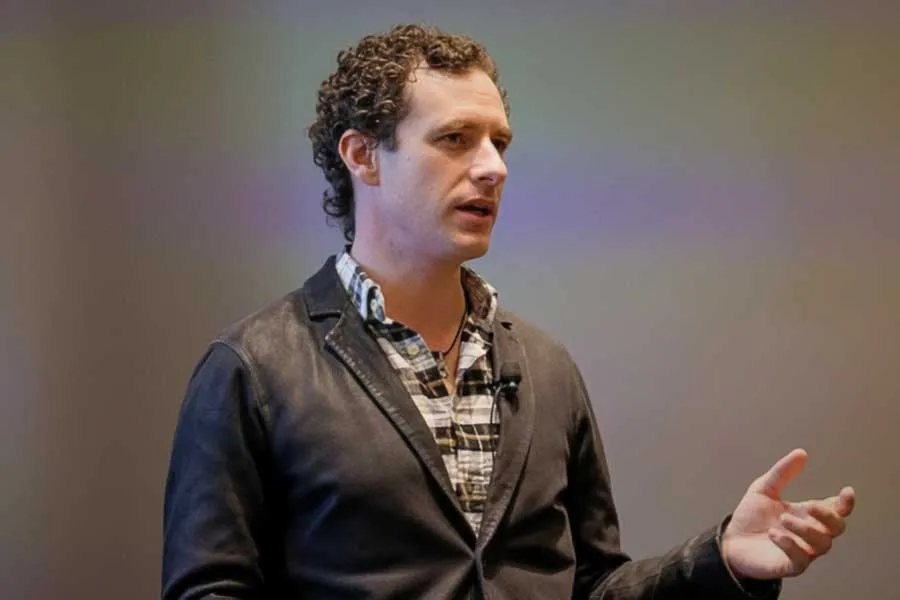
Glen Weyl, researcher and economist at Microsoft and co-founder of the Plurality Institute, does not think superintelligence is something we are waiting to build. He argues that it already exists—in the collective systems humanity has created, from markets and democracies to corporations and religious communities.
This view runs counter to the dominant narrative of artificial intelligence as a race between humans and machines, a story told through benchmarks from chess to professional exams.
Rather than imagining AI as a rival set on overtaking us, Weyl argues that superintelligence is embedded in the collective systems humanity has built—markets, democracies, corporations, religious communities.
Common Knowledge and Its Erosion
Weyl’s starting point is the idea that collective intelligence depends on not just what people believe, but what they understand others to believe as well. This shared awareness underpins coordination, trust, and democratic action. Without it, groups lose the ability to coordinate, even when individuals privately agree. He points to political science research on China’s so-called “50 Cent Army,” which floods social platforms with distraction and division. The aim is to break the public’s ability to form shared understandings.
Social psychologists studying Western platforms find a similar pattern. People dramatically misperceive how tolerant their political opponents are of violence, and those errors increase at higher levels of “who knows what about whom.” The result is a social environment where individuals may be well-informed, yet society becomes less able to act collectively.
If AI systems are trained on fractured environments like these, Weyl warns, they inherit the same instability.
Rebuilding the Social Web
Weyl sees a counterexample in Taiwan. Under sustained disinformation pressure, Taiwanese technologists and civic groups built tools that aim not simply to correct facts but to restore shared context. One platform clusters users by viewpoint and surfaces posts that earn agreement across ideological divides. It exposes where a community aligns, where it fractures, and how parallel groups perceive an issue.
This logic inspired systems like Community Notes, which attach annotations to content only when people from different perspectives rate them as helpful. Weyl’s own proposals extend the idea by labeling all posts with the communities that endorse or reject them—a way of making the social meaning of content visible again.
He believes these systems could support new business models. Communities could pay to elevate material that strengthens internal cohesion; advertisers could aim for shared contexts instead of isolated individuals.